Best Chameleon Enclosure: Size, Screen vs Hybrid, and How to Set It Up
By ReptileGearLab · Updated July 2026
Quick Take
A grown veiled or panther needs a screen cage of at least 24 by 24 by 48 inches, a 2x2x4 foot cage, and bigger is better. Taller more than wider, too: these are branch animals, and they climb, so height matters more than floor space. Our default is full screen (mesh), because chameleons catch respiratory infections easily and stale, damp air is how that starts. A full glass tank is the classic mistake we'd steer you away from. It traps stagnant, humid air.
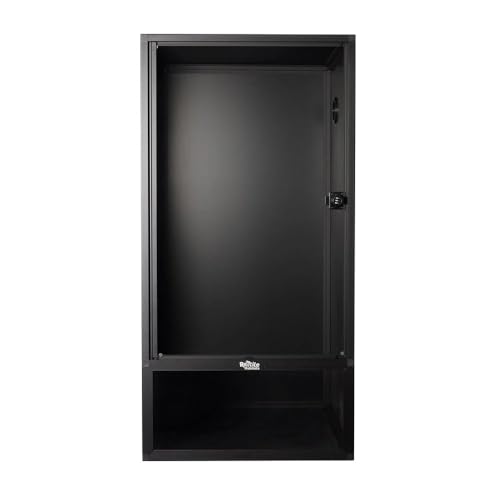
Climate is the one real exception. If your home runs cold or very dry, we'd reach for a hybrid enclosure (solid PVC sides and back with a screen front and top-and-bottom vents) or a PVC arboreal cage, which holds humidity far better than open screen and works well as long as you keep the ventilation moving, often with a small fan. Whichever you choose, fill it with dense real plants and horizontal branches, never house two chameleons together, and manage misting so everything dries out between sprays.
Below: the default screen cage, a PVC option for dry homes, and the hygrometer that keeps you on the safe side of the humidity-versus-airflow line. Our picks: See picks ↓

The enclosure is the most important purchase for a chameleon, and the one most often botched. These are arboreal, territorial, respiratory-sensitive animals, and the wrong cage, too small, too short, or too stuffy, causes health problems that no amount of good husbandry elsewhere can undo. It's also where new keepers underspend: a tank meant for a snake, or a small screen cage meant for a baby, followed by a scramble to upgrade three months later.
So buy for the adult animal from day one. That means a tall cage, a material chosen for your climate rather than for looks, and enough real plants that the space reads as cover. The chameleon community is unusually united on all three, and the reasons keep coming back to the same place: these animals get sick when the air stops moving.
Size: 2x2x4 for an adult, and taller beats wider
For an adult veiled or panther chameleon, the floor is a 24 by 24 by 48 inch enclosure, a 2x2x4 foot cage, and going larger only ever helps. Height is the dimension that matters. Chameleons are arboreal: they climb up into the canopy, bask near the top, and retreat down into foliage, so a tall cage beats a wide one of the same volume. Enclosures in the 16x16x30 range are baby or pygmy-species sizes, not adult homes. Some keepers start a hatchling in something smaller so it can find food easily, then move up to the full 2x2x4 within a few months. Others start big and plant it densely. Either way, plan to own the large cage.
The sticker shock lives here too, and we'd rather say it plainly: a chameleon is not a cheap or beginner pet. The cage is one line item among UVB, plants, misting, and heat, and the whole setup runs into the hundreds of dollars. Buy the right size once instead of a small cage twice.
Screen, glass, or hybrid
The default chameleon cage is full screen (aluminum mesh), and the reason is airflow, covered in the next section. A full glass terrarium, the kind that suits a humidity-loving gecko, is the classic wrong turn for a chameleon, because it traps stagnant air and invites respiratory infection. Standard-humidity home? Buy a screen cage and be done.
Climate is the nuance. Screen cages dump humidity as fast as you add it, so keepers in cold or very dry homes fight a losing misting battle, and a hybrid enclosure is the better tool for them. The design keepers succeed with is a hybrid with a screen front and solid PVC or panel sides and back, so moisture is held on three sides while the front and the top-and-bottom vents still move air. Any boxed-in enclosure needs active airflow to be safe, and a small fan is required rather than optional, because sealed-up PVC with no cross-ventilation becomes the same stagnant, respiratory-infection trap as a glass tank. Done right, with a screen front, real vents, and a fan, a hybrid holds humidity far better than open screen while staying healthy. Match the material to your climate, not to a shelf photo. If your home sits at normal humidity, buy screen.
Airflow is why screen wins
Chameleons suffer from respiratory infections more readily than most kept reptiles, and the biggest environmental driver is stagnant, humid air. That's why the community pushes screen and open enclosures so hard. A chameleon needs real horizontal airflow moving through its space, not just a vented lid, so that the humidity you provide can also dry and refresh. Warm, wet, still air is a respiratory infection in the making. When you look at any enclosure, screen, glass, or hybrid, ask whether air moves through it from side to side. If it doesn't, the design is working against the animal no matter how good it looks.
Humidity without mold
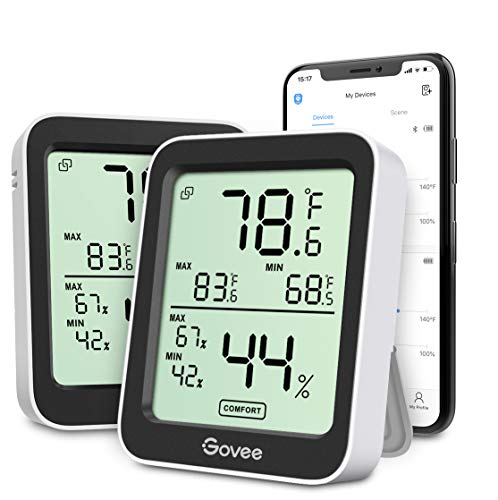
This section is scoped to veiled and panther chameleons, by far the most kept; montane species like Jackson's want cooler temperatures and higher humidity and follow a different care sheet. Veileds and panthers want moderate daytime humidity, not a rainforest, roughly 40 to 60 percent, and then a real rise at night toward 80 percent or higher. Current keeping treats that night humidity as important for hydration, because chameleons take in moisture overnight, and panthers especially want humid nights. The daytime rule that keeps a screen cage healthy is that everything must dry out between mistings. Persistent daytime dampness is what grows mold and bacteria, and mold in a screen cage almost always means one thing: you're spraying too much. Panthers tolerate a drier day, down around 35 percent, so let it dry. If your home is so dry the cage won't hold any humidity, raise the humidity of the whole room rather than soaking the enclosure. A hygrometer on the far side from the misting nozzle tells you whether you're in the safe band or drifting toward a mold problem.
Fill it with real plants and branches
An empty cage is half a home. Chameleons need dense cover to feel secure and a network of horizontal branches their feet can wrap around, and the plants should be real, not plastic. Veiled chameleons in particular nibble foliage, so fake plants and the popular bendy artificial vines are an ingestion hazard the community warns about loudly. Real plants also hold humidity and clean the air. The go-to species are pothos (big ones are best), schefflera (umbrella plant), ficus, spider plant, and dracaena, arranged densely for hiding spots. Since a chameleon may take a bite, check any plant against a current chameleon safe-plant list before adding it and skip the known-toxic ones; philodendron, for instance, is commonly flagged. Cap any potting soil with large river stones or a mesh barrier so the chameleon can't eat the dirt, because it will try.
For climbing, add natural branches, manzanita, grapevine, or cleaned oak, running horizontally at varied heights, since chameleons travel sideways through the canopy more than they climb straight up. In a screen cage, keepers mount branches by drilling them and securing with floral wire, fishing line, or zip ties, with any sharp ends shaved down and kept out of the animal's path. Skip the store-bought suction-cup vines. Sturdy real wood and living plants are what a chameleon will use.
One chameleon per cage
House one chameleon per enclosure, and treat that as a rule with no exceptions. Chameleons are solitary and territorial. Two housed together, even two females, will stress, fight, and often one will die, and the constant sight of another chameleon can be fatally stressful on its own. No divider or shared-space workaround exists. Buy one cage per animal.
Free-range and cage-less setups, a big potted tree with lights suspended over it, are a recurring fantasy, and they mostly don't work as a primary home. Chameleons wander and are escape artists, they turn up across the house and in closets, husbandry (heat, UVB, humidity) is hard to hold without an enclosure, and any cat or dog makes it dangerous. Treat free-ranging the way you'd treat a bird's perch: supervised time out for a few hours, then back into the enclosure to sleep and while you're away.
What we'd buy
An adult chameleon wants a 24 by 24 by 48 inch enclosure or larger, height prioritized, and we'd default to full screen for the airflow that prevents respiratory infection. Go hybrid or PVC only if your home is cold or dry, and then keep the ventilation moving. Fill it with dense real plants and horizontal natural branches, cap the soil, watch humidity so everything dries between mistings, and keep one chameleon per cage. The box is the expensive part of this hobby and the part you can't quietly fix later.
Recommended
Products related to this guide.

What owners say
Real owner reports from the threads and editorial sources we drew on for this guide.
“Cage size does depend on the chameleon species and Sex but generally no, you would want a 24x24x48- it will be expensive but then again chameleons are expensive animals to care for”
— r/Chameleons / [deleted]
“Also, make sure it's mesh and not glass, and tall vs wide.”
— r/Chameleons / 84dancemonkey
“Fake vines are not a good option, better to use real plants. As they grow, they’ll be eating the plastic. Unless it’s a pigmy or a carpet, this enclosure needs to be taller. Full glass enclosures don’t allow enough airflow, can get them some respiratory and skin problems. I’d start through that.”
— r/Chameleons / Prestigious_Angle980
“This enclosure has no horizontal airflow. And humidity with poor airflow is a respiratory infection waiting to happen for chameleons.”
— r/Chameleons / fawndovelizards
“it’s been a bit stressful when I post his enclosure because not everyone is educated on hybrid setups and they automatically assume that it’s bad for chameleons 😅 but as long as you have a fan and ventilation on the top and bottom it’s a really great enclosure to have! it maintains the humidity so much better too”
— r/Chameleons / Gir_DoomyDoom
“Id agree with others, too much spraying 😊 If that doesnt work and you want to switch enclosure, I would say go with a hybrid enclosure (mesh front but solid sides and back) or go with a pvc enclosure with mesh on the top and bottom front of the enclosure. Love your old boy, he was very handsome!”
— r/Chameleons / Ratinyourwall
“Yea, too much spraying. Daytime Should be between 40% and 60% Night time is when you Spike it up to the 80% ( it's not required but it makes them feel more comfortable) If it's below 40% for extended days humidify the room not the enclosure. I've had veileds for years.”
— r/Chameleons / Fliggledipp
“Mold means you're spraying way too much. Everything needs to dry out between sprayings. Panthers are fine down to like 35% humidity, you really need everything to dry out during the day to prevent mold and bacterial buildup in and around the enclosure.”
— r/Chameleons / lrnths
“Decent start I probably would’ve passed on a custom back drop as you Cham won’t utilize it they need lots on horizontal braches that their feet can fit around and lots of foliage IE real plants like pothos”
— r/Chameleons / OppPaccc
“As far as plants; pothos are great esp if big, ficus. Umbrellas trees, ferns,money trees this is what I have in mine and have they thrive. Make sure to put a layer of rock (bigger river stones) or some sort of mesh barrier over top of your soil so your cham doesn’t eat any. Don’t think they won’t because they most definitely will.”
— r/Chameleons / BoysenberrySeparate1
“They should not be housed together. At all. One will probably die if this isn’t changed immediately. Even the stress of being around each other can be fatal. They also need TONS of plants and vines. They need to be real as they will try to eat them.”
— r/Chameleons / The-Dragon_Queen
“I would use a cageless setup similarly to bird standing perches - a couple hours/a day at a time, but put them away to sleep or if you'll be gone a while.”
— r/Chameleons / saladnander