Best Corn Snake Substrate: Aspen, Cypress, or Coco?
By ReptileGearLab · Updated August 2026
Quick Take
For a corn snake, the substrate matters less than whether you can hold the humidity, which for a corn is roughly 40 to 60 percent, rising toward 70 for a shed. Our all-round default is cypress mulch, sold as Zoo Med Forest Floor. It holds humidity without going moldy, and a corn can still burrow and tunnel in it, which is the behavior corns are famous for. Aspen, the traditional standard, is still the most widely used substrate and is fine and beloved for burrowing, but only if your room humidity is already adequate and you run a humid hide, because aspen doesn't hold moisture and molds if you try to make it.
If your home runs dry, in winter especially, we'd switch to a coconut substrate, which holds humidity better and lets you mist. If you want the naturalistic, planted look, a reptisoil and cypress mix or a premade bioactive substrate is the enrichment tier. Two rules we won't bend on: never mix aspen with a damp substrate, because it will mold, and feed on a dish rather than off the floor so your snake doesn't swallow bedding. We treat impaction as a husbandry problem rather than a property of loose substrate, and corns are far less prone to it than the gecko forums would suggest.
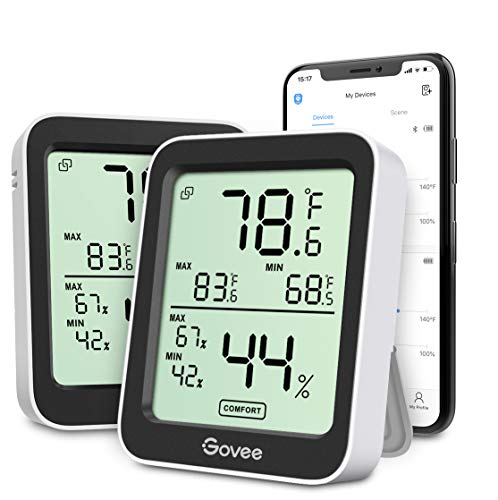
Below: the cypress mulch that solves the humidity problem, the aspen worth keeping if your air is right, the coconut option for dry homes, a premade bioactive for the planted build, and the hygrometer that tells you which camp you're in. Our picks: See picks ↓

Ask a corn snake forum what substrate to use and you'll get aspen, coconut fiber, cypress mulch, a soil mix, and at least one person who would sooner use landmines than aspen. It reads like chaos. One thread runs through all of it, though, and once you see it the argument mostly resolves.
That thread is humidity. A corn snake is a temperate colubrid that wants moderate humidity and a lot of room to burrow, and every substrate on the list is being judged on how well it holds moisture without going bad and how well a snake can tunnel through it. Below: what the community argues about, which substrate fits which home, why aspen keeps both its defenders and its detractors, and the two or three things everyone agrees on.
Start with your humidity, not the bag
This decides everything else. A corn snake is comfortable at roughly 40 to 60 percent humidity, climbing toward 70 when it's in shed, and a common husbandry failure new keepers hit is a bad, patchy shed caused by air that's too dry. Almost every substrate argument on the corn forums is an argument about moisture: aspen doesn't hold it, coconut and cypress do, and a soil mix holds the most. So before you pick a bag, find out what your room does. One keeper laid the decision out in a sentence: if your ambient humidity is adequate without the substrate adding to it, you may not need to change anything; if it's too low, move to something that retains humidity; and if it's too high, aspen will mold, so pick something else there too.
Which is also why no single right answer travels from one house to another. A keeper in a humid climate and a keeper running a dry winter furnace are solving opposite problems with the same enclosure. The tool that ends the guessing is a hygrometer, which is why one sits in the picks below. Measure your enclosure for a week before you spend anything, and the substrate choice mostly makes itself.
Aspen: the traditional standard, and when it's still right
Aspen shavings are the substrate corns were kept on for decades, and plenty of experienced keepers are still on it happily. The case for it is real: cheap, light, and corns love to tunnel through it, since it holds the shape of a burrow well when it's laid several inches deep. Keepers who like it are blunt that it gets a worse reputation than it deserves. One with a decade of corns in a desert climate reported no mold, no respiratory issues, and no bad sheds. Another put the nuance precisely: aspen isn't good in swamp conditions, but it's perfect for a 30 to 85 percent range, and it can even be misted as long as it dries out within about 12 to 24 hours.
The caveats are just as real, and they're all downstream of moisture. Aspen doesn't hold humidity, so in a dry home it works against you, and if you raise the humidity to compensate the aspen itself molds. The standard fix keepers describe is to keep the aspen dry and add a fully enclosed humid hide packed with damp sphagnum moss, which a shedding corn will use when it needs the moisture. The other knock is dust. Some keepers, and at least one exotic vet quoted secondhand, find aspen dusty even when it's labelled low dust, and at least one keeper reports developing an allergy to it after years of cleaning. If your room humidity is adequate and your snake isn't dusty-sensitive, aspen is a legitimate, cheap, burrow-friendly choice. If either of those isn't true, the substrates below solve it.
Cypress mulch: the humidity-holding default
Cypress mulch is what we'd lead with for keepers who want aspen's burrowing without aspen's humidity problem, and it's the top pick here for that reason. It's not the most-used substrate, aspen still holds that title, but it's the one that fixes the most common beginner problem without giving up the digging. It holds moisture well, it resists mold in the range a corn needs, and a snake can still dig and tunnel through it. Keepers who run it describe exactly the outcome a new corn keeper is after: humidity that stays on point even through a dry winter, and a snake that digs down into the damper lower layer when it goes into shed. Zoo Med Forest Floor is the bagged cypress most people mean, and it's the version we point to.
Two honest notes. Cypress from a bag can be chunky, and a hatchling keeper worried the pieces were too hard and pointy. It's usually fine for a corn, but for a small hatchling you can sift out the sharpest chunks or start on something finer and switch up. Second, cypress does nothing on its own that a good soil mix doesn't do better, so if you're going fully naturalistic anyway, read the bioactive section before you buy. For most keepers who want one bag that fixes the humidity problem and lets the snake burrow, cypress mulch is it.
Coconut coir and husk: for dry homes and dry winters
Coconut substrate, sold as coir (fine fiber) or husk (chunkier chips), is the other humidity holder, and it's the one keepers reach for when their air runs dry. The pattern in the reports is seasonal. Keepers happy on aspen most of the year switch to coco through the winter, when indoor humidity can crater to 15 or 20 percent, because coco grabs moisture and can be misted back up without molding the way aspen would. It looks like dark soil, it holds a burrow, and keepers report years on it with no issues.
The trade-offs are worth knowing. Coir packs down over a few weeks, so a snake that loved tunneling week one can find the floor compacted by week three; fluffing or partly replacing it fixes that. Fine coir can be dusty if you let it dry out completely, so keepers keep it lightly damp, not wet. And coconut on its own is a humidity substrate, so in an already-humid home it can push you too high, which is the mirror image of the aspen problem. A compressed brick of coir expands to fill a hide or a dig zone cheaply, and chunkier coco husk holds structure better for a committed burrower.
The naturalistic and bioactive route
If you want the planted, natural-terrain look, the modern approach is a deep soil mix, and it's the top tier for enrichment: it holds humidity, holds a burrow indefinitely, and can be run bioactive with springtails and isopods so it largely cleans itself. The community recipe is a reptile soil or organic topsoil base cut with cypress mulch and a little coconut, a few inches deep. Keepers who run it describe corns tunneling constantly and the cypress fraction adding the structure that keeps the burrows from collapsing.
The catch is sourcing. The cheapest version is a hardware-store bag of plain topsoil, and keepers do use it, but the recurring complaint is that garden soil is a gamble. People report finding fertilizer beads, bits of metal, and twigs in bags of the popular brands, so cautious keepers sift or bake it. The way around that headache is a premade bioactive substrate sold ready to use, and the one corn keepers name over and over is The Bio Dude's Terra Firma. It costs more than a bag of dirt, and that's what you're paying for: skipping the sourcing gamble. Our ReptiChip review and Forest Floor review cover the individual components in depth if you'd rather build the mix yourself.
What keepers agree on
For all the arguing, a few points are close to unanimous. Never mix aspen with a damp substrate like wet coconut or moss, because the aspen will mold; if you want a coco look, commit to coco. Feed your corn on a dish or off tongs rather than letting it strike prey on the open substrate, which does more than anything else to keep loose bedding out of your snake. And treat impaction as a husbandry problem rather than a property of the floor. Keepers who run corns on 100 percent dirt for a decade report perfect health, and the consensus is that a hydrated snake at correct temperatures passes the odd bit of substrate without trouble. That's a keeper consensus, not veterinary advice, and it's not a promise about your animal, but it's why the corn forums are far less impaction-anxious than the gecko ones.
Two materials land on the avoid list. Sand on its own isn't a corn snake substrate, and neat fir or pine chips get the same treatment. Reptile carpet is the other one keepers tell new owners to bin on sight, because it snags teeth and claws and harbors bacteria that washing doesn't clear; our reptile carpet review covers that case in full. And be a little skeptical of anyone selling you the most expensive option. As one long-time keeper noted, plenty of husbandry advice now comes from the companies selling the substrate, so a cheap bag of unbranded aspen, or a simple mix of clean topsoil and play sand, is often the same thing in a plainer package.
Matching the substrate to your home
Put it together and the decision is short. Measure your enclosure humidity for a week. If it sits comfortably in the 40s and 50s, aspen or cypress will both work, and the choice comes down to whether you want the cheapest burrowing medium (aspen, plus a humid hide) or the one that also buffers humidity (cypress). If your home runs dry, especially in winter, start with cypress or coconut so you're not fighting the substrate, and keep a hygrometer on the enclosure. If you want a planted, naturalistic build and are willing to maintain it, go to a deep soil mix or a premade bioactive.
Whatever you choose, go deep enough to burrow, several inches, because a corn that can tunnel is a corn using its enclosure. Pair the substrate with a secure, escape-proof enclosure (corns are famous escape artists), a humid hide packed with damp sphagnum for shed time, and a hygrometer you trust.
What we'd buy
For most corn snakes, cypress mulch solves the problem new keepers have: it holds the 40 to 60 percent humidity a corn wants, it doesn't mold in that range, and the snake can still burrow. Aspen is the traditional favorite and is fine if your ambient humidity is already adequate and you run a humid hide, and it's the cheapest way to give a corn deep bedding to tunnel through. Coconut is the dry-home and dry-winter answer. A soil mix or premade bioactive is the enrichment tier. A hygrometer is the cheap tool that tells you which of those you need. Skip sand, fir chips, and reptile carpet, keep aspen away from moisture, and feed on a dish.
Recommended
Products related to this guide.


What owners say
Real owner reports from the threads and editorial sources we drew on for this guide.
“If the ambient humidity in your house/tank is adequate without substrate adding to it, you may not have to change it. If it's too low, change to something else that can retain humidity and the snake will like. If it's too high, the aspen will also mold, so choose something different in that case as well. I keep my cornsnek on aspen with no issues. Sheds fine, loves burrowing in the six inches of substrate (holds its shape well). I also feed them on a dish in the enclosure so they don't accidentally ingest any aspen shavings”
— r/cornsnakes / LurkerInTheDoorway
“There's a modern trend toward unnecessarily (imo) high humidity, and aspen is not good in swamp conditions. But it's perfect for 30-85%, which is fine for corns. Aspen can even be misted heavily as long as it dries in a reasonable amount of time, like 12-24 hours. If you use heat lamps it'll be much faster than that.”
— r/cornsnakes / Crunchberry24
“fwiw I never had any problems using straight aspen with corn snakes and they never had any shedding trouble at my normal indoor humidity (usually around 40%). Aesthetically I prefer darker substrates so I don't use it now, but I think aspen gets a bad rap from people without firsthand experience repeating advice they've heard elsewhere.”
— r/cornsnakes / skullmuffins
“I've only ever used aspen in a decade of keeping corns. They really don't need high humidity so I've never had a problem with mold or respiratory issues. And I also live in the desert and they never even have bad sheds.”
— r/cornsnakes / ophidianolivia
“Aspen is more than fine as long you provide a fully enclosed humid hide that holds moisture well. Something as simple as an old 2 liter soda bottle that is painted can do well if you cut the opening wide enough. I use these hides and my snakes adore them. Fill them with damp sphagnum and you're good to go.”
— r/cornsnakes / prince0verit
“I absolutely hate aspen & will always recommend changing the bedding. Recommend either fir bark or cypress. Both have done well with my corn both health wise and shedding.”
— r/cornsnakes / Baby_79
“I use bark chips so it's easy to clean and they can still borrow easily. Not all bark is safe for snakes, so you'll have to make sure yours is okay if you try it. I hate aspen. It doesn't react well with water and it goes bad really quickly. I'm not sure why it's recommended all the time.”
— r/cornsnakes / RadiantCoinshot
“I use fertilizer/pesticide-free potting soil mixed with coco fibre and peat moss. It holds moisture better and it's still easy for the snake to burrow into. I don't like aspen because it's still very dusty even when labelled "low / zero dust".”
— r/cornsnakes / Skryuska
“I've used cypress mulch for years, works brilliantly. It also has different levels of humidity, if he goes into shed he'll dig down and hide in there for a bit etc. Love that stuff, even during dry ass cold months in winter his humidity is always on point.”
— r/cornsnakes / grandsoulsucker
“For all my snakes ive used 100% cypress mulch it holds humidity well doesn't mold and is all around good substrate imo and works well to give them ability dig little.”
— r/snakes / cerberus_210
“I use coconut coir mixed with coconut husk chunks. Keeps humidity well, without going moldy. Usually dump his water bowl and give it a good mix every week or two, but I also live in a pretty dry province.”
— r/cornsnakes / rubydooby2011
“I've used "Reptichip premium coconut substrate" (reading the packaging rn💀) my snake's whole life, and she has never had any issues with it! it locks in humidity levels very well and looks very natural for her environment”
— r/cornsnakes / NotReality7236