Best Substrate for a Ball Python (The Mix Keepers Use)
By ReptileGearLab · Updated July 2026
Quick Take
Mix it. We don't recommend one bag but a blend: coconut fibre for moisture, cypress mulch or coco husk/chips for structure and humidity, and a bit of sphagnum moss to hold water. Coco fibre alone is a fine base and holds moisture well, but on its own it packs down and gets dusty. Hence the mix, which is what long-time ball python keepers do anyway.
Then go deep. We'd run 4 to 6 inches, with water poured into the corners so the bottom two-thirds stays damp. That's what holds humidity steady, and it beats any fogger or mister. The depth also lets the snake burrow, which it wants to do.
Two things we'd avoid: play sand, for impaction risk, and aspen, which molds the moment you add humidity. Our picks, below: See picks ↓

Ball python humidity problems are almost always substrate problems. Keepers chase the number with foggers and misters and daily spraying, when the thing holding humidity in a healthy enclosure is a deep bed of the right material with water in it.
The components are cheap, easy to buy anywhere, and the community settled on a recipe years ago. About twenty dollars covers an enclosure.
The recipe keepers land on
Read enough ball python threads and the same blend surfaces over and over: cypress mulch, coconut fibre, and a bit of sphagnum moss. Coco husk or chips sometimes stand in for the mulch, and some keepers add reptile soil. Proportions aren't precious. What matters is combining a moisture-holding fine material with a chunkier one.
- Coconut fibre (coco coir): the moisture-holding base. It absorbs and releases water well, it's cheap, and it comes as a compressed brick you expand with water.
- Cypress mulch or coco husk/chips: the structure. Chunky material stops the bed packing into a dense mat, keeps air moving, and holds humidity in its own right. Some keepers rate husk higher than fibre for humidity specifically.
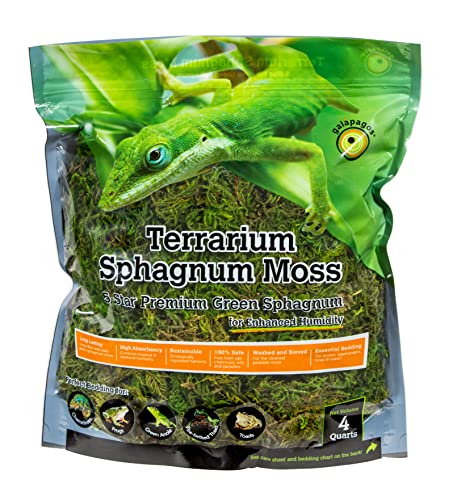
- Sphagnum moss: the reservoir. A handful mixed through, or tucked into a humid hide, holds a lot of water and releases it slowly.
One keeper's version of it: mix coco coir or fibre with husk and sphagnum moss, your snake will be able to burrow in it, and you won't have humidity issues coming from the substrate.
Why not just coco fibre on its own?
You can, and plenty of people do. The downsides are why the mix wins. Straight coconut fibre holds moisture well, but keepers report it gets dusty, and mixing in a chunkier bedding fixes that. It also compacts over time into a dense layer that's harder for a snake to burrow into and slower to breathe.
So treat coco fibre as your base, not your whole answer. Buy it, then buy one chunky thing to mix into it. Total cost is still around twenty dollars for an enclosure's worth.
Depth and water: the part people skip
Aim for four to six inches of substrate. Rather than spraying the surface, pour water into the corners so it soaks the bottom two-thirds of the bed while the top stays drier.
That structure is the trick. The damp lower layer is a slow-release humidity reservoir, and the drier top layer means your snake isn't lying on wet bedding, which is what causes scale rot. A tank misted on the surface dries out in an hour. A deep bed watered at the corners holds for days.
What to avoid
- Play sand: keepers are routinely cautioned off it over impaction risk. It's not what a ball python evolved on, and it adds nothing a coco mix doesn't do better.
- Aspen: it molds as soon as you introduce the humidity a ball python needs. Fine bedding for dry-species setups, bad one here.
- Anything with pine or cedar oils: toxic to reptiles, full stop.
Some perspective on impaction, though. Keepers point out that a healthy adult python can ingest a little substrate with a meal without issue. The concern is real for sand. Don't let it scare you off a proper naturalistic bed.
Mold, and the cheap fix
Deep, damp substrate plus warmth is also a decent recipe for mold, and it's one of the most common panics in ball python groups. Usually the trigger is uneaten food or waste left in the bed rather than the substrate itself.
Spot-clean waste promptly. Then use the fix keepers reach for: springtails. A cheap live culture of these tiny detritivores lives in the substrate, eats mold and decaying matter, and keeps the bed clean, which is why they're standard in bioactive setups and increasingly in plain ones too. Verify what your humidity is doing with a real hygrometer, since the cheap gauges lie.
What we'd buy
A brick of coconut fibre and a bag of cypress mulch or coco husk. Mix them, work in some sphagnum moss, lay it four to six inches deep, and pour water into the corners instead of misting the top. About twenty dollars, and it solves ball python humidity.
Skip the sand and the aspen. Add a springtail culture if mold worries you. Skip the fogger too, because a deep, properly watered bed holds humidity more steadily than a machine that aerosolises a bacteria reservoir into your snake's face.
Recommended
Products related to this guide.




What owners say
Real owner reports from the threads and editorial sources we drew on for this guide.
“Yes, husk is very good at retaining humidity. If you mix coco coir/fibre with husk and sphagnum moss, your snake will be able to burrow in it and you won't have humidity issues from the substrate.”
— r/ballpython / NottsWeirdo
“only issue is it can get a little dusty. mixing it with something like forest floor helps. It does hold moisture well imo”
— r/ballpython / viillanelles
“It’s pretty good but I find coco chips hold humidity better.”
— r/ballpython / Snakemaster1211
“Thats coconut fibre I believe. So that shouldn't be an issue. Maybe try mixing it with some cypress mulch.”
— r/ballpython / DeliciousQuantity968
“It’s fine. A healthy adult python can eat some substrate without issue.”
— r/ballpython / Due-Craft6332
“Could you use reptisoil instead of the organic topsoil, or mix reptisoil, cypress mulch, and coco fiber? I was cautioned against using play sand due to the risk of impaction”
— r/ballpython / fenx-harel
“any cheap-ish reptisoil brand rec’s? i’d love to use it i just hate that it’s $30 a bag! i think id need a few.”
— r/ballpython / _ams13