Solarmeter
Solarmeter 6.5 Reviews + The Community-Standard Verdict
By ReptileGearLab · Updated August 2026

Verdict
The community doesn't merely recommend this meter, it treats owning one as the difference between knowing and guessing. The recurring language is absolute: the only completely accurate way to measure UVB, the only way to ensure proper readings, the most accurate tool, you need a Solarmeter, period. Three themes sit around that reverence. First, savings: keepers who own one stop replacing tubes on the manufacturer's schedule and start replacing them when the meter says they're flat, with one bearded dragon keeper running a single ReptiSun tube past three years and a six-tank keeper calling the longevity savings amazing. Second, price, the only real knock: at roughly $200-250 keepers describe saving up, waiting for PetSmart sales, considering used units, and in some cases being priced out, and the related discovery that factory recalibration costs close to a new meter makes the used market unattractive. Third, the warnings about substitutes: color-change UVB cards false-positive on UVA when checked against the meter, the Etsy and eBay lookalikes get called trash outright, and the better cheap meter in the reports still needed conversion math and got returned for the real thing. Keepers also pass along Solarmeter's own model guidance, the 6.5 or 6.5R for the UV dose reaching the animal and the 6.2 for raw lamp output, plus the practical buying note that the 6.5R is the reptile edition of the same instrument. We read the consensus the way they state it: expensive, single-purpose, and worth it, with the fair asterisk that a single-animal keeper on a replacement schedule can live without one.
Read full take ↓Ask a reptile lighting thread how to tell whether a UVB bulb is still working and the answer arrives with unusual force: get a Solarmeter. The Model 6.5, and its reptile-branded twin the 6.5R, is a handheld meter that reads ultraviolet light across 280-400 nm and displays it as UV Index, the same dose number the hobby's Ferguson zone targets use. This isn't a nice-to-have accessory. It's the only completely accurate way to measure UVB, and as one keeper puts it flatly, you need a Solarmeter if you want to measure UVB, period.
The catch is never whether it works. It's the price. This is a roughly $200-250 instrument that does exactly one thing, and the same threads that revere it are full of keepers saving up for one, hunting sales, or weighing used units with stale calibration certificates. So: what does the meter protect you from, what does it save you over time, and who can reasonably skip it.
The short version
What's good:
- The one instrument we trust for verifying UVB. Nothing else earns that kind of confidence.
- Reads UV Index directly, the same number the Ferguson zone husbandry targets use, so there's no conversion math.
- Pays for itself across multiple tanks: keepers report running tubes for years past the replace-every-6-months schedule because the meter proves they still work.
- Simple point-and-read operation, made in the USA, and no failure reports in keeper threads.
What's not:
- About $200-250, which stings for a one-animal setup, and keepers say plainly that it's out of budget for them.
- Single purpose. It reads UV and nothing else: no temperatures, no humidity.
- Factory recalibration is quoted near the price of a new meter, so long-term calibration is a real open question keepers debate.
- Easy to confuse with the Solarmeter 6.2, which measures lamp output in different units, and with cheap lookalike UV meters that community testing dismisses.
Which reptiles and setups it fits
Buy it for:
- Anyone running UVB over several enclosures. The tube savings alone repay the meter: one keeper running six UVB tanks calls it amazing for cost saving, because tubes get replaced when they're flat rather than on the calendar.
- Rescues and animals recovering from metabolic bone disease, where guessing at UV dose isn't an acceptable plan.
- Keepers who want out of schedule-replacing working bulbs. One bearded dragon keeper has run a single ReptiSun tube for more than three years because the meter keeps confirming it's still delivering.
- The anxious. If you regularly wonder whether the bulb over your animal is producing UVB at all, this is the instrument that replaces the wondering with a number.
Pick something else if:
- You keep one animal on a tight budget. The cheap path is a trusted-brand tube replaced on the manufacturer's schedule. That's trust rather than verification, but it's how most keepers live, and it works.
- You want to benchmark lamp output for its own sake, comparing tubes and fixtures in raw UVB terms. That's the Solarmeter 6.2's job, not this meter's.
- You expect one gadget to cover temperature and humidity too. It won't, and nothing cheap covers UV. The companions below handle the other numbers.
The specs that matter
- It reads UV Index, the husbandry number. The 6.5 measures 280-400 nm and displays 0-199.9 UVI. UVI is the unit the Ferguson zone system uses to set species targets, for example roughly 0.5-1.5 at the basking point for a shade-dwelling leopard gecko, so the number on the screen is the number your care sheet is talking about.
- The 6.5 and 6.5R are the same instrument. The R is the reptile edition of the same meter. Keepers use the names interchangeably, and the practical difference they mention is the reference chart printed up top for converting a reading into a rough Ferguson zone. Buy whichever is in stock; the sensor and the number are the same.
- It isn't the 6.2, and that difference matters. Solarmeter's own guidance, passed around in keeper threads, is to use the 6.5 to determine the UV dose reaching the animal and the 6.2 to determine UVB lamp output, which the 6.2 reports in microwatts per square centimetre. Different unit, different question. For husbandry decisions, you want the 6.5.
How it keeps your animal safe
UVB is the one input in a reptile setup you can't check with your senses. A tube keeps shining visible light long after its UVB output has decayed to nothing, so a dead bulb looks exactly like a working one, and the failure shows up months later as poor calcium metabolism and, at the worst end, metabolic bone disease. The meter is how you catch that quietly dead tube. It's equally how you catch the opposite problem: keepers who finally test their setups sometimes find the basking spot running far hotter in UVI terms than intended, because packaging distance charts are generic and screen mesh, fixture height, and reflector choices all move the real number. One thread is titled with the advice to buy a Solarmeter and not trust the distance recommendations.
The cheap verification substitutes don't survive contact with the meter. Color-change UVB test cards are the popular stopgap, and a keeper who owns both reports the card showing UV present where the Solarmeter reads zero, because the cards can't tell UVA from UVB. The bargain UV meters sold on Etsy, eBay, and Amazon get blunter treatment: keepers who checked one against the real meter call it trash, and even the better cheap unit in the reports displayed its number without a decimal point and needed conversion math before the reading meant anything for reptiles. For this one measurement there's no budget instrument. You verify with the real meter, or you fall back on brand trust and a replacement schedule.
Build quality and living with it
The meter itself is a simple sealed ABS handheld, made in the USA. Point the sensor at the light, read the number. No keeper describes one breaking, drifting visibly, or misbehaving, and the ownership stories run years deep, including keepers using a single unit across six enclosures. For a $200-plus gadget, the community treats that reliability record as a given.
The one real ownership question is calibration. Units ship with a calibration certificate, and the certificate ages. One keeper weighing a used $150 meter with a 2022 certificate found that the manufacturer's recalibration quote would bring the total to the price of a brand new unit, and asked the community how often anyone recalibrates. The thread is a fair snapshot of where the hobby sits: there's no settled recalibration habit, and most keepers just run the meter. For a buyer, lean toward new rather than used, since a stale certificate plus factory recalibration erases the savings.
Day to day it's an undramatic tool. It lives in a drawer, comes out for a monthly check and whenever a bulb changes or moves, and goes back. It reads UV only, so it joins your thermometers and hygrometer rather than replacing them, and the keepers who measure everything tend to own all three instruments for that reason.
How it compares
- Versus the Solarmeter 6.2: sibling instruments with different jobs. The 6.2 measures total UVB output in microwatts per square centimetre, which is the right tool for benchmarking lamps, and some herpetology groups suggest owning both if you can. The 6.5 measures UV Index, the dose number the Ferguson zone targets use, so for deciding whether your animal's basking spot is right, it answers the question directly.
- Versus cheap UVI meters (Giangarden and similar): the tempting middle path at $80-100, and the one detailed test we found is instructive. The cheap meter broadly worked, but it printed its reading without a decimal place and needed math to become a usable UVI, and the keeper returned it for the proper Solarmeter. The Etsy and eBay units fare worse: checked against the real meter, they don't hold up at all. None of them carry the calibration paperwork or the track record the hobby trusts.
- Versus UVB test cards: cards cost a few dollars, change color under UV, and get described by the keepers using them as better than nothing while saving up. Side-by-side checking shows the failure: a card can indicate UV where the meter reads zero, because it can't distinguish the UVA a dying tube still emits from the UVB your animal needs. A stopgap, not a substitute.
Setting it up
Using it takes minutes. Put the sensor where your animal's back is at the basking spot, aim it at the lamp, and read the UVI. Compare that against the Ferguson zone target for your species, then adjust the fixture height or basking decor until the number lands in range. While you're there, sweep the meter across the enclosure to map the gradient, since UVB drops off quickly with distance and to the sides of a tube.
Then make it a habit: re-check monthly, after any bulb change, and after any rearrangement that moves the basking spot. Pair it with a temp gun for the heat side of the same job, covered in our temp gun guide. If the meter does condemn your tube, the replacement logic lives in our UVB bulb guide and our ReptiSun T5 HO review.
So should you buy one?
If UVB is part of your setup and you can absorb the price, buy it. This is one of the rare products we can recommend without hedging: the only trustworthy way to know what your lighting is delivering, with a reliability record to match. Run several UVB enclosures and it isn't even a splurge, because tubes replaced on evidence instead of on the calendar repay the meter and keep repaying it.
Keep one animal on a tight budget and you can skip it. Buy a trusted tube, write the install date on it, and replace on schedule. What you shouldn't do is spend $80 on a lookalike meter or lean on color cards for safety decisions, because keepers have checked those paths and they fail exactly when you need them. For this measurement it's the real instrument or the schedule, and both of those are defensible.
Our Ratings
Overall score
A simple sealed ABS handheld, made in the USA, with a point-and-read job it apparently never fails at. No keeper describes one breaking or drifting visibly, and the ownership stories run years deep across multi-tank collections. The one real ownership friction is calibration economics rather than hardware: units ship with a dated calibration certificate, and the factory recalibration quote one keeper obtained came to roughly the price of a new meter, which kills the used market and leaves long-term calibration an open question keepers debate.
The axis where this instrument is untouchable. UVB output decays invisibly, a dying tube looks identical to a working one, and the failure mode is metabolic bone disease, so verification is a safety function and the community treats the 6.5 as the only tool that provides it. The language keepers use is absolute: the only completely accurate way to measure UVB, the only way to ensure proper readings, you need a Solarmeter, period. It catches dead tubes. It catches overdose from generic distance charts. And it exposes the cheap substitutes, color cards and bargain meters, that community testing shows reading UV where none of the right kind exists.
Value is the only axis keepers actually argue about here. At roughly $200-250 for a single-purpose instrument, it prices out one-animal keepers, and the reports include people saving up, hunting sales, and openly calling it out of budget. The counterweight is real: tubes replaced on evidence instead of on the calendar repay the meter, with one keeper on a single verified tube for over three years and a six-tank keeper calling the savings amazing. Strong value for multi-enclosure keepers, a stretch for a single setup, and the community says both plainly.
Solarmeter 6.5 on Amazon.
The Evidence Behind Our Verdict
The community doesn't merely recommend this meter, it treats owning one as the difference between knowing and guessing. The recurring language is absolute: the only completely accurate way to measure UVB, the only way to ensure proper readings, the most accurate tool, you need a Solarmeter, period. Three themes sit around that reverence.
First, savings: keepers who own one stop replacing tubes on the manufacturer's schedule and start replacing them when the meter says they're flat, with one bearded dragon keeper running a single ReptiSun tube past three years and a six-tank keeper calling the longevity savings amazing. Second, price, the only real knock: at roughly $200-250 keepers describe saving up, waiting for PetSmart sales, considering used units, and in some cases being priced out, and the related discovery that factory recalibration costs close to a new meter makes the used market unattractive. Third, the warnings about substitutes: color-change UVB cards false-positive on UVA when checked against the meter, the Etsy and eBay lookalikes get called trash outright, and the better cheap meter in the reports still needed conversion math and got returned for the real thing.
5R is the reptile edition of the same instrument. We read the consensus the way they state it: expensive, single-purpose, and worth it, with the fair asterisk that a single-animal keeper on a replacement schedule can live without one.
Our rating above is our own editorial call. What follows is the field evidence we weighed to reach it: first-hand reports from keepers on Reddit and dedicated reptile forums, which we lean on more than manufacturer-influenced published reviews because unsponsored owners tend to be the more candid signal.
What Reddit Is Saying
“I’ve had my beardie Monkey and her setup since Feb ‘22 and I’ve bought a SINGLE Reptisun 5.0 UVB tube since the start. Pretty early on I decided to invest in a Solarmeter since it’s basically the only completely accurate way to measure UVB levels, only thing is that it’s $200. Thank god I did. I would have been throwing out fully functioning UVB tubes every 6 months as recommended and spending way more than $200 as a result. My single tube has lasted me more than 3 years at this point! (also shoutout to Reptisun for its longevity lol)”View thread →
“I use the solarmeter 6.5R though my herpetology group also recommends the 6.2R if you can afford it too. Summary from their site: use the Model 6.5R to determine proper UV dose for the animal, and use the Model 6.2R to determine UVB lamp output. Since I run 6 tanks with UVB, it's been amazing for cost saving in terms of longevity.”View thread →
“Solarmeter 6.5. Those cards aren't accurate, they do change color to show UV but it can't tell the difference between different types of UV like uva or uvb. I've tested those cards using my solarmeter. The card shows there's UV but the solormeter shows 0.”View thread →
“You want the Solarmeter 6.5r. It’s the most accurate tool to measure exactly what your UV levels are.”View thread →
“You need a Solarmeter if you want to measure UVB. Period.”View thread →
“Even Leo’s benefit from UVB - I prefer to use the Arcadia shadedweller. A solarmeter is the only way you can ensure proper uvb readings, worth the investment. Featuring my MBD rescue Mars :)”View thread →
“you can get them on the solarmeter website, josh's frogs, amazon, pangea! Make sure it's the 6.5 model C: For leos they're ferguson zone 1 so it should be reading .5-1.5~ roughly :D”View thread →
“Yea solarmeter was a must for me. Its expensive but worth it”View thread →
“I ended up returning it and getting the proper solarmeter. This one worked but there was some math involved to convert the reading to the UVI for reptiles.”View thread →
“Etsy one is trash. It says UV INDEX on the red one, which is what the solar meters are measuring as well.”View thread →
“I'm looking into buying a Solarmeter, but it's hard to afford one and the $200 price point. I found someone who's willing to sell me one for $150, but the certificate of calibration has it at 2022. I'm thinking about getting it recalibrated, but so far the only quote I can find from the company would bring the cost of it to the same as buying a brand new one.”View thread →
“It would be nice if solarmeters weren't so expensive, they're out of my budget right now.”View thread →
Frequently asked questions
Is the Solarmeter 6.5 worth it?
Value is the only axis keepers actually argue about here. At roughly $200-250 for a single-purpose instrument, it prices out one-animal keepers, and the reports include people saving up, hunting sales, and openly calling it out of budget. The counterweight is real: tubes replaced on evidence instead of on the calendar repay the meter, with one keeper on a single verified tube for over three years and a six-tank keeper calling the savings amazing.
How is the Solarmeter 6.5 built?
A simple sealed ABS handheld, made in the USA, with a point-and-read job it apparently never fails at. No keeper describes one breaking or drifting visibly, and the ownership stories run years deep across multi-tank collections. The one real ownership friction is calibration economics rather than hardware: units ship with a dated calibration certificate, and the factory recalibration quote one keeper obtained came to roughly the price of a new meter, which kills the used market and leaves long-term calibration an open question keepers debate.
Is the Solarmeter 6.5 safe to use?
The axis where this instrument is untouchable. 5 as the only tool that provides it. The language keepers use is absolute: the only completely accurate way to measure UVB, the only way to ensure proper readings, you need a Solarmeter, period.
What do real owners say about the Solarmeter 6.5?
The community doesn't merely recommend this meter, it treats owning one as the difference between knowing and guessing. The recurring language is absolute: the only completely accurate way to measure UVB, the only way to ensure proper readings, the most accurate tool, you need a Solarmeter, period. Three themes sit around that reverence.
Options Worth Checking Out

Solarmeter 6.2 UVB Meter
The lab-grade sibling. Where the 6.5 reads UV Index (the husbandry number), the 6.2 reads raw UVB in microwatts per square centimeter, which is what you want for benchmarking lamps rather than dialing a basking spot.

LUCKY HERP UV Test Card
The few-dollars stopgap. A phosphor card glows if UVB is present, so it flags a dead tube, but it gives no number and cannot tell UVA from UVB. A go/no-go check while you save for a meter, not a substitute for one.
You Might Also Need
Accessories worth grabbing alongside your purchase

Etekcity Infrared Thermometer 774
The surface-heat half of a measuring kit. A temp gun reads the basking spot temperature, which the Solarmeter can't, and nothing this cheap reads UV honestly. Keepers run both: one checks the heat, the other checks the light.

Govee Hygrometer Thermometer H5075
The cheap monitoring layer for what the Solarmeter doesn't read: ambient temperature and humidity, logged to your phone with drift alerts. It can't see UV, no hygrometer can, but it covers the other numbers for about twelve dollars.
Zoo Med ReptiSun T5 HO Hood with 10.0 Bulb 24"
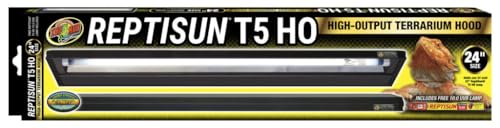
The buy-after-measuring play. When the meter says your tube is flat, this is the trusted replacement: the community-standard ReptiSun T5 HO tube plus the reflector fixture it needs, in one box. Then the meter verifies the new setup.