Best Corn Snake Enclosure: Size, PVC vs Glass, and Escape-Proofing
By ReptileGearLab · Updated August 2026
Quick Take
For an adult corn snake we treat 4 by 2 by 2 feet, about 120 gallons, as the floor rather than the target, so a roughly four-foot snake can stretch out fully along one side. Bigger is better here, because corns are active and use the space. PVC makes husbandry easiest: it holds humidity and heat, it doesn't suffer moisture damage, and the buyable front-opening enclosures are mostly PVC anyway. Glass works too, and it's often cheaper to start with, but its screen top sheds humidity, so in a dry home you cover or tape part of it.
Escape-proofing is where we won't bend. Corn snakes are famous escape artists that squeeze through any gap and push open unsecured doors. Buy or build for a locked, front-opening door, screen every vent, and avoid thin plexiglass sliding doors that can be bowed apart. Corns climb more than you'd expect, so they appreciate some height, but length matters more than height. A baby does fine in something smaller and tightly secured, then moves up to the 4 by 2 by 2 as it grows.
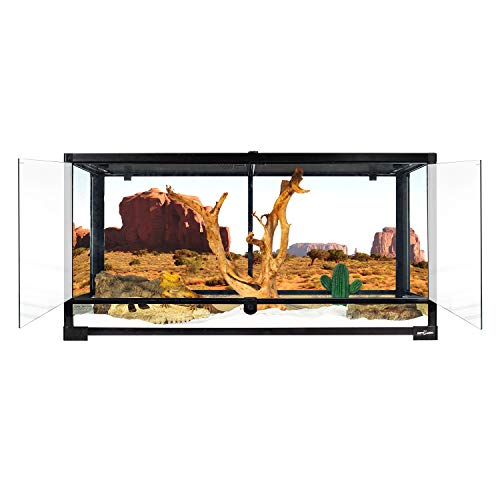
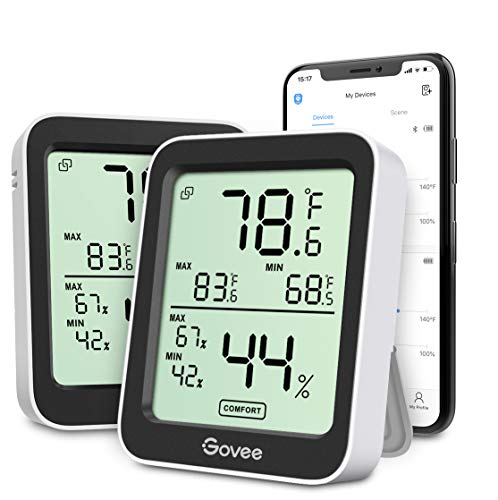
Below: the PVC enclosure that gets size, humidity, and security right in one box, a cheaper front-opening glass tank to start a younger corn in, a display-grade glass option for a planted build, and the hygrometer that tells you whether your enclosure holds humidity. Our picks, below: See picks ↓

New keepers usually hear a corn snake's enclosure requirements one at a time, and in the wrong order. Size first, humidity second, escape-proofing somewhere near the end. Flip that. A corn will find the one gap you missed, and every other mistake is easier to fix afterwards. An undersized tank is a problem you fix next month. An open vent is a problem you fix by searching under the fridge.
The community's position is roughly that an enclosure is a fancy box, and as long as it keeps humidity in and the snake in, it does the job. Brand barely matters. The numbers below are the ones corn keepers converge on, and the arguments they still have are mostly about material and about what to do with a hatchling.
How big: 4 by 2 by 2 feet is the minimum
The number the corn community lands on for an adult is 4 by 2 by 2 feet, roughly 120 gallons. The reasoning is physical: a corn snake should be able to stretch out fully along one side of its enclosure, and an average adult runs about four feet. That's a minimum, not a goal. Corns are active animals, and keepers who watch them describe snakes that use every inch. One keeper's corn spends hours wandering a whole room each night before going back in. The practical guidance that follows is to buy as much floor space as you can house and afford, and to treat 4 by 2 by 2 as the smallest enclosure a grown corn should live in rather than the right-sized one.
This is also why keepers push back on the old 20-gallon-forever advice. A tank a snake can't stretch out in is too small no matter how settled the animal looks, and anyone whose adult is in something smaller gets told to upgrade as soon as they can, while treating any upgrade along the way as a real improvement. If you have the room, a 5 by 2 by 2 or larger is never wasted on a corn.
Corns climb: length first, then height
Corn snakes climb more than their ground-snake reputation suggests. Some keepers describe them as semi-arboreal, and while that label is debatable for a mostly-terrestrial colubrid, the practical point holds: they do climb and use vertical space, so a taller enclosure with branches is enrichment a corn will use. The nuance keepers add is priority. Length matters more than height. Even a few feet of climbing space is plenty, and given a choice between a longer enclosure and a taller one, longer wins for a ground-hunting colubrid.
There's one practical catch with height. A tall enclosure is harder to heat from above, because getting the floor to basking temperature with an overhead lamp means fighting a lot of air. Keepers who run tall enclosures solve it by building the basking and hiding spots up closer to the heat rather than trying to bring the whole floor up to temperature. Want the height? Plan the heat around elevated basking, not a hot floor.
PVC or glass: it comes down to humidity
This is the material debate, and underneath it's a humidity debate. Start with the baseline the corn forums keep returning to: most enclosures work fine for a corn as long as they hold humidity and the snake can't escape, and plenty of keepers run happy corns in glass, PVC, and Ecoflex alike. Within that, PVC is what a lot of keepers reach for when they want husbandry to be easy. The reasons are consistent: it holds humidity and heat better than glass, it doesn't suffer moisture damage the way a wood enclosure can, and the ready-made front-opening enclosures are mostly PVC to begin with. The PVC brands keepers name, Animal Plastics and Dubia among them, are also often expandable and seal up tight when you silicone the seams. Those two sell direct rather than on Amazon; the buyable pick below is the equivalent front-opening PVC box.
Glass isn't disqualified, and for a lot of keepers it's where they start. The catch is the screen top. Glass tanks vent humidity straight up through the mesh, which is fine in a humid climate and a real fight in a dry one. The standard advice is blunt: if you live somewhere dry, avoid screen tops and side vents, or cover and tape part of the mesh to hold moisture in. A glass front-opening tank with a partly-covered top will keep a corn perfectly well. You're just doing by hand what PVC does by design. Glass also gets expensive and heavy at full adult size, where a comparable PVC enclosure is often cheaper.
Corn snakes escape, so seal every gap
If the corn forums agree on one thing above size or material, it's that corn snakes escape. The stories are endless and they share a moral: the snake found the gap the keeper didn't think about. As one keeper put it, you can't make an enclosure too big, only too escapable. The failure points are specific and worth checking before you ever put a snake in. Vents and cracks on many enclosures are just big enough for a snake, and juuust big enough for a baby, so screen or mesh every vent. Sliding doors need something blocking the gap where they overlap. Thin plexiglass doors are a known weak point, because a determined snake can bow them apart at the center; keepers who lost snakes that way moved to glass doors or a screen top with a real latch.
The fixes are cheap. The discipline is the hard part. Screen mesh over the vents, a block or lock in the sliding-door gap, and a door that latches will stop almost every escape, and keepers who added those measures report snakes that never got out again. The habit that backs it up is checking the latch every single time, because a huge share of real escapes trace to a door left unlocked after feeding or watering rather than to a flaw in the enclosure.
Front-opening or a secure top: the lock is what counts
Front-opening is what a lot of keepers reach for, and the reason they give is access rather than anything mystical. A front door makes substrate changes and spot cleaning in a deep enclosure far easier than fishing everything out through a lid, and sliding doors beat swing-out doors for getting your hands in. It's a common upgrade goal, one keeper describing dreaming of a front-opening 4 by 2 by 2. But the forums don't crown front-opening over a top-opening tank on security grounds, and if anything they cut the other way: several keepers who lost snakes through a bowed plexiglass front door moved to a screen top with a real latch and reported no more escapes. Opening type is a convenience preference. Security comes from the latch. A front door that locks and a top that locks are both fine; an unlocked door of either kind is how snakes get out. For a hatchling, a tight locking-top tank is often the most escape-proof option available.
Babies: smaller and secure, then upgrade
A hatchling corn doesn't need a 120-gallon enclosure on day one, and there's an honest split on how to handle the early months. Many keepers start a baby in something smaller and absolutely secure, a locking-top tank or a small front-opening enclosure, on the logic that a tiny snake is easier to find, easier to feed, and easier to escape-proof in a small space, and that you can always upgrade as it grows. Others buy the adult enclosure straight away and furnish it densely so the baby feels covered rather than exposed, to avoid buying twice.
Both work, and the deciding factor is usually escape-proofing rather than the snake's stress. A baby corn is the hardest animal in the hobby to contain, so the smaller-and-secure route is popular precisely because a small enclosure has fewer gaps to seal. Going straight to the big enclosure? Plan on clutter, plenty of hides and cover across the whole floor, and an obsessive pass over every vent and seam before the snake goes in. Either way, the upgrade path ends in the same place: at least 4 by 2 by 2 by the time the snake is grown.
Heating a PVC or tall enclosure
Two enclosure choices change how you heat, and both come up constantly. New PVC keepers worry about melting the panels, but keepers who run it say that doesn't happen with a normal setup: an overhead bulb in a fixture with a built-in reflector, or a metal guard that holds the hot parts a few inches off the plastic, keeps the bracket cool enough to be a non-issue. And a tall enclosure, as above, wants elevated basking rather than a superheated floor. Neither is a reason to avoid PVC or height. They're wiring you plan for up front. Pair the enclosure with the right thermostat and a substrate that holds the humidity the enclosure is built to keep in.
What we'd buy
For an adult corn snake, a 4 by 2 by 2 foot enclosure at the minimum, front-opening, and bigger if you can house it, because corns use the space. PVC makes humidity and heat easy and is usually the better buy at full size. Glass works if you cover part of the screen top to hold humidity.
Whatever you choose, escape-proof it obsessively. Screen the vents, secure the doors, skip thin plexiglass, and check the latch every time, because a corn will find any gap you leave. Start a baby smaller and secure if you prefer, then move it up.
Recommended
Products related to this guide.


What owners say
Real owner reports from the threads and editorial sources we drew on for this guide.
“The 4x2x2/120 gal recommendation is so that a roughly 4 ft snake can at the very least fully stretch out in their home. Corns are very active snakes, and need as much space as you can give them.”
— r/cornsnakes / WanderingJude
“4x2x2 is fine for average sized adults (roughly 4ft give or take) but if your corn is a longboi (5ft+) or you have plenty of room and want to give them more space you can increase the length and/or add more climbing room at your discretion. a 3-4ft tall enclosure can require a little more thought & planning to heat well (you're going to want elevated basking/hiding spots rather than trying to get your substrate level to 85+ degrees using an overhead lamp) but most corns will appreciate some extra verticality”
— r/cornsnakes / skullmuffins
“They'll use extra height for climbing but 4x2x2 is absolutely fine.”
— r/cornsnakes / Short-Shopping3197
“Yes, they're semi arboreal. This means that they do enjoy climbing. So, if you have space to do a 5ftx5ft tall enclosure, that's awesome. But even 3ft of climbing space is enough. Length of the enclosure is more important”
— r/cornsnakes / Dry-Elderberry-4559
“Honestly, most of them will work fine for a corn. If you live in a particularly dry area, avoid enclosures with screen tops and side vents (though you can always tape these up too). I'm sure others will have stronger opinions, but for me, an enclosure is a fancy box. As long as it keeps humidity and your snake can't get out, it'll do the job.”
— r/cornsnakes / Nocitae
“Keep this in mind: If you buy the Animal Plastics now, you can buy another later to expand it. You would remove the top of the old, and the bottom of the new, then attach them with screws. I do recommend the sliding doors instead of the swing out style. The swing out gives limited opening space making it a bit frustrating with substrate changes. You will need to silicone all seams to help keep humidity in.”
— r/cornsnakes / ZealousStrand
“I don't have to worry about moisture damage when using PVC. Also, the enclosures you can buy are usually made out of PVC from what I've seen so I just tried to replicate that.”
— r/cornsnakes / WideAwakeTravels
“I don't think you can go too big, only "too escapable". Idk, I'd rather have a forever enclosure than change it in a couple years.”
— r/cornsnakes / Anihillator
“I had to put screen mesh over the vents and had to put something between the sliding glass doors. With those measures in place he never escaped. Started with a 4x2x2 PVC enclosure.”
— r/cornsnakes / A5D5TRYR
“The enclosure I had was NOT baby corn escape proof. And I learned that a lot of the bigger ones have vents/cracks that are juuuust big enough for a baby corn to sneak through. So I've got him in a 10gal repti-zoo with the French door front access for now.”
— r/cornsnakes / Admirable-Major6722
“I would definitely disassemble that enclosure and check for any weak points and reinforce them. These guys are escape artist, and you are very lucky that he returned because most don't. If the front sliding doors are not glass and they're plexiglass, that's gonna be my guess how he got out.”
— r/cornsnakes / Fickle_Dragon
“my baby albino i just got is in a 20gal with a sliding locking top so i know it can't get out and my slightly bigger scaleless is in a 40gal front opening and i snake proofed the top by using socks to push the top back so it can't try to get out. i still check multiple times a day to make sure they are in there. smaller is better when it comes to babies imo, cause when they get bigger you can always upgrade”
— r/cornsnakes / Inkkeiii
Related Reviews
Best Corn Snake Substrate: Aspen, Cypress, or Coco?
Best Ball Python Enclosure (Size, PVC vs Glass, and Humidity)
Best Bearded Dragon Enclosure (Size and Type Keepers Recommend)
Best Leopard Gecko Enclosure (Size and Type Keepers Recommend)
Best Corn Snake Water Bowl: Size, Material, and Why You Never See Them Drink