Zoo Med
Zoo Med New Zealand Sphagnum Moss Review
By ReptileGearLab · Updated September 2026

Verdict
Keeper sentiment splits cleanly into effectiveness, which is not in dispute, and a safety caveat, which is. On effectiveness the reports are consistently strong: keepers reach for sphagnum specifically to lift humidity when an animal goes into blue, describe snakes settling into a moss hide for a week or more through a shed, and one leopard gecko keeper reports nineteen years of use with the same animal. The practical complaints are mild and consistent, that it dries out faster than expected and needs re-dampening on a schedule rather than when you notice, with one keeper reporting spraying a hide nearly every day to keep up, that mold is a standing worry when it is kept sopping in a closed hide, and that fine fragments keep coming loose however carefully you pick through it, with one keeper describing straining the small bits out tens of times and still finding them. The genuine criticism is ingestion. Crested gecko keepers are the most direct about it, warning outright against the product on the grounds that the strands are long and a gecko cannot spit something back out once it has it, and describing animals passing long strings of moss after it was used as substrate. Notably, even keepers who defend it accept the boundary: one describes a decade of using sphagnum to mount plants without incident while saying plainly that they would still not put it in substrate. The mitigations offered are specific and repeated, buy the undyed grade, cut it into short pieces with scissors so anything swallowed passes, keep it inside a hide, and never feed an animal directly on top of it. Read together the community verdict is that this is excellent at its job and safe when it is contained, and that most of the trouble comes from using it as a floor rather than as a humid pocket.
Read full take ↓Similar substrates

Zoo Med New Zealand Sphagnum Moss is a bag of long-fiber dried moss, and it earns a place in five of our guides. It shows up in our ball python humidity guide, both stuck shed guides, the corn snake hide guide, and the crested gecko humidity guide, because damp sphagnum packed into a covered hide is the cheapest and most reliable way to give a reptile a pocket of high humidity it can use whenever it wants.
It earns that. It holds many times its weight in water and gives it back slowly, so a hide stays humid for days rather than minutes, and keepers routinely credit it with turning bad sheds into clean ones. There is no clever engineering here, just a material that happens to be very good at one job.
What the marketing does not tell you is the caveat that runs through every keeper thread about it: those long fibers can be swallowed. That is a real, repeatedly reported problem rather than a theoretical one, and it is the reason this scores where it does. Used the way experienced keepers use it, undyed, cut short, and kept inside a hide, it is close to essential. Poured across the floor of a gecko enclosure as loose substrate, it is a risk you did not need to take, and that is the one use our crested gecko humidity guide now steers away from too.
The short version
What's good:
- Holds moisture better than anything else at this price, which is the entire job. A damp handful in a covered hide stays humid for days.
- It is the standard fix for stuck shed, and keepers describe animals parking in a moss hide for a week or more while in blue.
- Long-fiber New Zealand sphagnum is a clean, premium grade of the material, with far less soil and stick debris than cheap garden moss.
- Cheap, and one bag goes a long way when it lives in a hide rather than spread across an enclosure.
- Undyed, which matters: keepers are specific about avoiding dyed craft moss.
What's not:
- The long strands are an ingestion risk, and this is the real criticism, not a nitpick. Geckos especially cannot spit something out once it is in their mouth.
- It dries out faster than most keepers expect, so a hide needs re-dampening on a schedule rather than when you remember.
- Mold is the thing new keepers ask about most, and the answer is moisture management: kept sopping in a closed hide it can go off, and it needs replacing periodically rather than topping up forever.
- Fine bits and fragments come loose no matter how much you pick through it, which is what makes the ingestion concern hard to eliminate entirely.
What it is for
Sphagnum is a humid-microclimate tool, not a substrate. The correct use is a small covered box packed with damp moss, placed on the warm side, available all the time. The animal takes itself in there when it needs moisture, which is how it self-regulates, and it is the mechanism behind the fix in our ball python stuck shed and leopard gecko stuck shed guides. Spread thin across an open enclosure floor it dries out within a day and does very little, which is the most common way keepers waste a bag.
It is also not a whole-enclosure humidity solution. If your ambient humidity is wrong, moss in a hide is a patch over the problem rather than the fix; you want deeper moisture-holding substrate and a lid that holds what the substrate gives off. Moss is what you add on top of a correct setup to give the animal somewhere better than correct.
The ingestion risk, and how keepers handle it
This is where a fair review has to slow down. Keepers report animals swallowing strands, and crested gecko keepers in particular describe geckos passing long strings of it after it has been used as substrate. The mechanism is simple: the fibers are long, and a gecko that gets one in its mouth cannot spit it back out. That is a genuine hazard and it is why we do not score this a nine.
The mitigations are equally consistent, and they work. Buy the undyed product. Take scissors to it and cut it into short pieces so anything swallowed passes easily. Keep it inside a hide rather than loose on the floor, and never feed an animal directly on top of it, since that is when a strike picks up a mouthful of moss along with the insect. Keepers running it this way describe using it for a decade or more without incident. The risk is real and it is also almost entirely avoidable, which is a different thing from a product being unsafe.
Living with it
- Re-dampen on a schedule. It dries faster than you think, especially on the warm side. A useful trick from keepers is to put a small button hygrometer in the hide for a day and watch how quickly it falls, then set your routine to that rather than guessing.
- Damp, not soaking. If you can wring water out of it, it is too wet and it will start to smell and mold inside a closed hide.
- Replace, do not just top up. Moss breaks down. Swap it out when it stops springing back or starts to look dark and matted rather than adding fresh on top.
- Cut it short before it goes in. Thirty seconds with scissors removes most of the ingestion concern and costs nothing.
Preparing it, which nobody explains on the bag
The bag arrives as dry, compressed fibre, and the question new keepers ask most often is what to do with it. The answer is simple: soak a handful in clean, dechlorinated water until it swells, then squeeze it out firmly. You want it springy and cool to the touch rather than dripping, which is roughly the moisture of a wrung-out cloth. Moss that still releases water when you press it is too wet for a closed hide and is where the mold worries start.
Take scissors to it before it goes in. Cutting the long fibres down to short pieces is the single step that removes most of the ingestion concern, and it takes under a minute. Then pick through what is left for the fine fragments and dust that come with any bag, accepting that you will not get all of them; keepers describe straining repeatedly and still finding bits, which is why keeping the moss inside a hide and off the feeding surface matters more than perfect sorting.
Finally, put it somewhere it will not immediately dry out. A humid hide on the warm side is the standard placement, but warm side means faster evaporation, and that is the trade you are making. If you find yourself re-wetting daily, either the hide is too open, the moss layer is too thin, or the enclosure's ambient humidity is low enough that the hide is doing work the whole setup should be sharing.
Versus the alternatives
- Versus coco fiber: coco fiber is the better whole-enclosure substrate and the cheaper way to hold ambient humidity across a floor. Moss is better inside a hide, where its water-holding per handful is unmatched. These are complements, not competitors, which is why our humidity guides usually recommend both.
- Versus damp paper towel: free, and it does work in a pinch for a humid hide. It holds far less water, needs daily attention, and gives the animal nothing to burrow into. Fine for a quarantine tub, worse for a permanent hide.
- Versus cheaper bulk sphagnum: the material is the same species of moss and bulk horticultural bags cost less per volume. What you are paying Zoo Med for is a clean, consistently long-fiber, undyed grade in a pet-shop-sized bag. If you keep many animals, buying bulk from a horticultural supplier is the better economics.
Our verdict
This is a very good product with one caveat that deserves more attention than it usually gets. As a humid-hide filler it is the best thing available at the price, it is the fix for the most common husbandry failure new keepers hit, and a bag lasts a long time. We reach for it in five separate guides, which is as close to a standing recommendation as we give a consumable.
Buy the undyed product, cut it short, keep it in a hide rather than loose on the floor, and do not feed an animal on top of it. Do that and this is close to essential kit. Skip those steps, particularly with a gecko, and you have introduced an avoidable risk in exchange for humidity you could have gotten from a better substrate and a lid.
Our Ratings
Overall score
Long-fiber New Zealand sphagnum is a premium grade of the material: clean, springy, undyed, and far freer of soil and sticks than cheap garden moss. Its water-holding per handful is the best thing at this price and the reason it works in a hide for days. Docked because fine fragments come loose no matter how carefully you pick through it, keepers describe straining bits out repeatedly, and because it breaks down and mats over time rather than lasting indefinitely.
It does the most protective thing a humidity product can do, preventing the stuck sheds that cost geckos toes and snakes tail tips, and it is inert and undyed. The score is held down by one real, repeatedly reported hazard rather than a theoretical one: the strands are long, animals do swallow them, and geckos cannot spit them back out, with crested gecko keepers describing animals passing long strings after it was used as substrate. Mold is a secondary risk if it is kept sopping in a closed hide. Both are avoidable with known mitigations, cut it short, keep it in a hide, never feed on it, which is why this is a seven and a half rather than a five.
Cheap for what it does, and a bag lasts a long time when it lives in a hide instead of being spread across a floor. Set against the cost of a vet visit for a constricted toe it is one of the best-value items in reptile keeping. Docked slightly because the identical material is available as bulk horticultural sphagnum for less per volume, so keepers with several animals are paying a pet-aisle premium for packaging and a guaranteed undyed long-fiber grade.
Zoo Med New Zealand Sphagnum Moss on Amazon.
The Evidence Behind Our Verdict
Keeper sentiment splits cleanly into effectiveness, which is not in dispute, and a safety caveat, which is. On effectiveness the reports are consistently strong: keepers reach for sphagnum specifically to lift humidity when an animal goes into blue, describe snakes settling into a moss hide for a week or more through a shed, and one leopard gecko keeper reports nineteen years of use with the same animal. The practical complaints are mild and consistent, that it dries out faster than expected and needs re-dampening on a schedule rather than when you notice, with one keeper reporting spraying a hide nearly every day to keep up, that mold is a standing worry when it is kept sopping in a closed hide, and that fine fragments keep coming loose however carefully you pick through it, with one keeper describing straining the small bits out tens of times and still finding them.
The genuine criticism is ingestion. Crested gecko keepers are the most direct about it, warning outright against the product on the grounds that the strands are long and a gecko cannot spit something back out once it has it, and describing animals passing long strings of moss after it was used as substrate. Notably, even keepers who defend it accept the boundary: one describes a decade of using sphagnum to mount plants without incident while saying plainly that they would still not put it in substrate.
The mitigations offered are specific and repeated, buy the undyed grade, cut it into short pieces with scissors so anything swallowed passes, keep it inside a hide, and never feed an animal directly on top of it. Read together the community verdict is that this is excellent at its job and safe when it is contained, and that most of the trouble comes from using it as a floor rather than as a humid pocket.
Our rating above is our own editorial call. What follows is the field evidence we weighed to reach it: first-hand reports from keepers on Reddit and dedicated reptile forums, which we lean on more than manufacturer-influenced published reviews because unsponsored owners tend to be the more candid signal.
What Reddit Is Saying
“I've used sphagnum for 19 years with this fine gentleman. Just buy the undyed stuff and don't feed directly on it. My guy loves burrowing in it.”View thread →
“I use sphagnum moss for the humid hide and I just take scissors to cut into small enough pieces so that if he eats it by mistake it’s not an issue.”View thread →
“When I checked on my two they are both in blue at the same time so I bumped up the humidity sphagnum moss is awesome for that”View thread →
“I've used sphagnum to mount epiphytes for a decade without any issues, but I wouldn't use it in substrate.”View thread →
“Don’t use sphagnum moss. Cresties can’t spit things out once they’ve got something in their mouth. Sphagnum strands are long and can cause problems for geckos that swallow the moss.”View thread →
“Also how often do you guys change the moss? Mine keeps drying out and im spraying it daily nearly.”View thread →
“I'm wanting to use sphagnum moss for my girl's humid hide, but even though I tried to strain out the small bits like.. tens of times, there's still little pieces like this whenever I touch it. Is this safe?”View thread →
Frequently asked questions
Is the Zoo Med New Zealand Sphagnum Moss worth it?
Cheap for what it does, and a bag lasts a long time when it lives in a hide instead of being spread across a floor. Set against the cost of a vet visit for a constricted toe it is one of the best-value items in reptile keeping. Docked slightly because the identical material is available as bulk horticultural sphagnum for less per volume, so keepers with several animals are paying a pet-aisle premium for packaging and a guaranteed undyed long-fiber grade.
How is the Zoo Med New Zealand Sphagnum Moss built?
Long-fiber New Zealand sphagnum is a premium grade of the material: clean, springy, undyed, and far freer of soil and sticks than cheap garden moss. Its water-holding per handful is the best thing at this price and the reason it works in a hide for days. Docked because fine fragments come loose no matter how carefully you pick through it, keepers describe straining bits out repeatedly, and because it breaks down and mats over time rather than lasting indefinitely.
Is the Zoo Med New Zealand Sphagnum Moss safe to use?
It does the most protective thing a humidity product can do, preventing the stuck sheds that cost geckos toes and snakes tail tips, and it is inert and undyed. The score is held down by one real, repeatedly reported hazard rather than a theoretical one: the strands are long, animals do swallow them, and geckos cannot spit them back out, with crested gecko keepers describing animals passing long strings after it was used as substrate. Mold is a secondary risk if it is kept sopping in a closed hide.
What do real owners say about the Zoo Med New Zealand Sphagnum Moss?
Keeper sentiment splits cleanly into effectiveness, which is not in dispute, and a safety caveat, which is. On effectiveness the reports are consistently strong: keepers reach for sphagnum specifically to lift humidity when an animal goes into blue, describe snakes settling into a moss hide for a week or more through a shed, and one leopard gecko keeper reports nineteen years of use with the same animal. The practical complaints are mild and consistent, that it dries out faster than expected and needs re-dampening on a schedule rather than when you notice, with one keeper reporting spraying a hide nearly every day to keep up, that mold is a standing worry when it is kept sopping in a closed...
Options Worth Checking Out
You Might Also Need
Accessories worth grabbing alongside your purchase
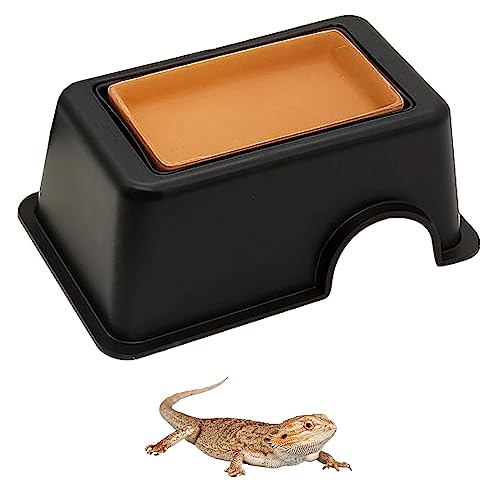
Tfwadmx Reptile Humid Hide Box
The box the moss belongs in. Keeping sphagnum inside a covered hide is what makes it hold humidity for days instead of drying out in an afternoon, and it is also the single best way to keep strands away from a feeding surface.

Govee Hygrometer Thermometer H5075
Worth it because moss dries out faster than keepers expect. Park a gauge in or near the hide for a day, watch how fast the number falls, and set your re-dampening schedule to what it does rather than to a guess.