Best Corn Snake Heating: Heat Mat, Basking Bulb, or CHE?
By ReptileGearLab · Updated July 2026
Quick Take
For a corn snake, the heat that does the most good comes from above, and the primary source we recommend is an overhead halogen basking bulb. It builds the warm basking gradient a corn will use, it warms the enclosure air rather than a patch of floor, and its infrared penetrates the way sunlight does instead of only warming the surface, which is why most experienced keepers now favor it. A halogen, or any bulb, has to run on a dimming thermostat. The traditional alternative, an under-tank heat mat, is cheaper and simpler and still has committed defenders. It's a reasonable belly or supplemental heat source for a burrowing snake. It won't heat the enclosure, though, and it must be on a thermostat with the probe on the mat so it can't burn a snake that lies right on it.
Corns need only moderate heat: a warm side around 80 to 85 degrees, a basking hotspot that never exceeds about 90, and a cool side of 75 to 82, all on one side so the snake can choose. They rarely need night heat unless the room drops below about 65. If it does, we'd add a ceramic heat emitter or a deep heat projector for warmth without light. Two things we'd never skip: a thermostat on every heat source, and no colored red or blue bulbs, which corns can see and which stress them.
What we'd buy: the halogen bulb that makes the best primary heat, the heat mat worth keeping as belly or backup heat, a deep heat projector for gentle no-light warmth, and the dimming thermostat every one of them needs. See picks ↓

Few corn snake questions start more arguments than how to heat the enclosure. Walk into three pet stores and you'll hear three answers: an under-tank heat mat, an overhead basking bulb, a ceramic heat emitter, each presented as the only safe choice. A corn can be kept healthy on more than one of them. They aren't equal, though, and the community has leaned fairly clearly in one direction.
That direction is overhead, on the reasoning that a wild snake takes its warmth from the sun rather than from the ground it lies on. Veteran keepers still make a serious case for the humble heat mat, and it gets a fair hearing below, along with the temperatures a corn wants and the thermostat rule that applies whichever source you pick.
Overhead heat versus a belly heat mat
Corn snake heating comes down to two philosophies. The traditional one is belly heat: an under-tank heat mat stuck beneath the warm end, warming the snake from below the way a sun-baked rock might. The modern one is overhead heat: a bulb above the enclosure that creates a basking spot and warms the air, the way the sun does. Both can keep a corn alive, and you'll find decade-long keepers in both camps, which is why the argument never fully ends. But the reasoning has leaned one way, and it's worth understanding why.
The clearest way keepers frame it is to ask where a wild snake gets its heat. Sun-warmed rock can mimic belly heat and a snake may use it occasionally, but the primary way a snake warms itself to digest is basking under the sun, from above. That observation is what tips most of the modern advice toward overhead heat as the primary source, with belly heat as a supplement at most.
Why most keepers now say heat comes from above
The overhead case has three parts, and keepers make them constantly. First, a heat mat doesn't heat the enclosure. It warms a patch of floor and the substrate directly above it, and if your room is cool the air in the enclosure stays cool, which anyone trying to hit a warm-side temperature discovers fast. Second, the kind of heat. The infrared from an incandescent or halogen bulb is IR-A, the deep-penetrating warmth the sun provides, while a heat mat and a ceramic emitter put out IR-C, which only warms the surface of the skin. Keepers describe the bulb heat as far more effective at warming the animal through. Third, safety, and it cuts against the intuition that mats are the safe option. A corn seeking warmth will burrow down and lie directly on the hot spot, and a mat that isn't perfectly regulated can burn a snake that won't move off it.
Then there's the basking behavior itself. A common belief is that corns don't bask, but keepers who provide a proper overhead basking spot with cover and a bit of height report their corns using it regularly. They won't bask on open ground where they feel exposed, so the setup has to give them a warm, partially hidden perch. Given that, they behave like the diurnal-leaning colubrids they are.
The honest case for the humble heat mat
None of that makes the heat mat a mistake, and we'd be dishonest to pretend otherwise, because some of the most experienced keepers in the hobby still run them. Their case is practical. A mat is cheaper to buy and to regulate, it's simpler to get right than a lamp, and a mat plus a good on/off thermostat is a safe, proven setup. One keeper with nearly forty years in the hobby is blunt that the idea mats are unsafe and bulbs are safe is backwards, since lamps are trickier to dial in and need more expensive controls. Mats also suit a snake that spends most of its life burrowed, and they're the more trustworthy choice in a small plastic tub where an overhead lamp would be a fire risk.
So, the fair positioning. A heat mat is a legitimate belly or supplemental heat source, especially for a burrower, in a cool room at night, or in a temporary tub, and plenty of corns live long healthy lives on one. It won't heat the enclosure air or create a basking gradient. If your warm side won't reach temperature with a mat, that's the mat working as designed, and a bigger mat doesn't fix it.
A halogen bulb is the primary heat most keepers land on
For a primary heat source, keepers point to a halogen basking lamp more than anything else. It creates a focused hotspot, warms the surrounding air, and delivers the penetrating IR-A heat that makes overhead heating worth the trouble. One keeper working through the options ranks it the most natural and beneficial primary heat, with a deep heat projector a close second. The brand keepers name for bulbs and projectors is Arcadia, whose line is sold direct rather than on Amazon; the halogen and projector picks below are the buyable equivalents, and our halogen basking bulb guide goes deeper on choosing one. Don't chase a wattage number. The right wattage depends on your enclosure size, the bulb's height, and your room, and you dial it in with a dimming thermostat rather than swapping bulbs until one happens to land.
CHE and DHP: ambient and night heat, not a basking spot
Two other overhead sources come up, and it helps to know what each is for. A ceramic heat emitter puts out heat and no light, which makes it useful for raising the whole enclosure's temperature or for night heat. It isn't a basking source: not focused enough to make a proper hotspot, and keepers note it runs very hot and dries the air out faster. A deep heat projector is the more refined version of the same idea. It gives off radiant IR-A and IR-B heat that penetrates deeper, doesn't get as hot to the touch, and doesn't dry the enclosure the way a ceramic emitter does, which is why it's the premium pick here and a favorite for gentle, no-light warmth. Neither replaces a basking bulb as the primary daytime heat. A projector in particular makes an excellent second source or night source.
Every heat source runs on a thermostat
No exceptions here. Heating equipment left unregulated can climb until it burns the snake or starts a fire. The nuance keepers add is which kind. A heat mat can use a cheap on/off thermostat, which switches the mat off when it reaches temperature and back on when it cools. A bulb or a deep heat projector needs a dimming, or proportional, thermostat, which throttles the power to hold a steady temperature instead of cycling a hot lamp on and off. The cheap on/off units that work fine on mats aren't good for bulbs. The thermostats keepers hold up as the best, the Herpstat and the Vivarium Electronics VE-200, are direct-sale; the dimming thermostat picked below is the affordable Amazon option keepers cite for a lamp. Its probe goes at the snake's basking level, verified with a temperature gun.
Temperatures, wattage, and no colored bulbs
Corns want moderate temperatures, and overheating is a more common mistake than running cool. Keepers put the warm side around 80 to 85 degrees, the basking hotspot as the single warmest point at no more than about 90, and the cool side at roughly 75 to 82, with every heat source on one side of the enclosure so the snake can move between warm and cool. Warmth matters most in the two to three days after a meal, when the snake needs it to digest. Wattage isn't a spec to maximize: too strong a bulb in a small enclosure just cooks it, which is why the dimming thermostat is how you land the temperature. And skip colored bulbs entirely, red and blue night bulbs included, because corns can see those colors and keepers report they cause stress. If you need heat at night, use a ceramic emitter or a projector that emits no visible light.
What we'd buy
Make an overhead halogen basking bulb your primary heat. It warms the air, makes a basking spot the snake will use, and delivers the penetrating heat a mat can't. Run it, and any bulb, on a dimming thermostat. Keep a heat mat in the toolkit as belly or supplemental heat for a burrower or a cold night, on its own thermostat, understanding it won't heat the enclosure. For no-light night or ambient warmth, reach for a ceramic emitter, or better, a deep heat projector. Hold the warm side at 80 to 85 and the basking spot under 90, put all the heat on one side, never run anything without a thermostat, and never use a colored bulb. A corn set up that way will thermoregulate on its own for decades.
Recommended
Products related to this guide.


What owners say
Real owner reports from the threads and editorial sources we drew on for this guide.
“Here's an easy way to sanity check the conflicting advice: do wild snakes generally have access to heat coming from below or from above? While sun-warmed rocks might mimic "belly heat" and snakes might use them occasionally, they are not essential for digestion. Basking under the sun is snake's primary means of warming itself and gaining the energy necessary to digest food. Heat mats can be used as supplementary heat if desired, but they are inferior to overhead incandescent bulbs and not a necessity.”
— r/cornsnakes / WanderingJude
“Just letting you know that neither heat mats nor CHEs are a good primary heat source. A halogen bulb is the most natural and beneficial primary heat source, Arcadia's deep heat projector is the second best option. They produce infrared A and B like the sun, heat that penetrates deep into the skin tissue and heats them far more effectively. Whereas heat mats and CHEs only produce IRC, which only heats the surface of their skin.”
— r/cornsnakes / fionageck
“Overhead heating always. Heat mats are notoriously dangerous and don't replicate nature.”
— r/cornsnakes / Dry-Elderberry-4559
“No, a heat mat will not heat the enclosure. I highly recommend removing the heat mat and getting a ceramic heat bulb, ALWAYS plugged into a thermostat set to a safe temp. I adjust mine if it's really hot out so that the inside temp doesn't go over about 85. Heat mats have the potential to burn your snake as they will need to burrow for warmth and will stay right on the heat source. They aren't so smart about not burning themselves.”
— r/cornsnakes / Melekai_17
“Short answer, no, you don't need a heat mat. Personally I don't like heat mats, I think they can be dangerous if not installed and monitored properly. It's also an unnatural way of heating the tank, heat comes from above, yeah? If you're worried about your snake getting cold at night or you want a supplemental heat source I recommend a ceramic heat emitter. That's what I use personally and your snake can't burn themselves on it.”
— r/cornsnakes / little_fish_44
“Whichever is appropriate. Or both if needed. Some novice keepers have gotten it into their heads that mats are unsafe and bulbs are the safe option, and they scurry around every online space demonstrating their naïveté. The opposite is true. I have almost forty years in the hobby. They watch sponsored videos. Lamps are tricky to get temps right and require more expensive equipment to regulate. Mats are safer and cheaper to set up. Those are the facts.”
— r/cornsnakes / Desdinova20
“I use both. No problems at all. I like the mat because my snake burrows 90% of the time, plus winter is cold here. My snake doesn't like sitting under the heat lamp out in the open after eating.”
— r/cornsnakes / mistato24
“Please get a reptile on/off thermostat for the heat mat, heating equipment should never be used without one as it can get too hot and is a fire risk without one.”
— r/cornsnakes / abyssal-isopod86
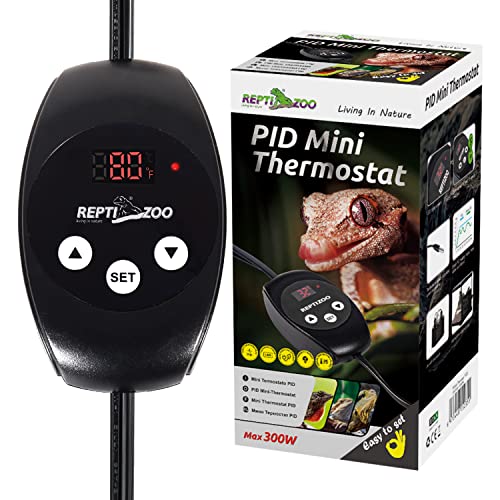
“i have a reptizoo dimming thermostat from amazon. you definitely want to get one that dims if you're using it with a lamp.”
— r/cornsnakes / skullmuffins
“And one more thing: I don't know if the Zoo Med thermostat you have is proportional/dimming, but you need that for lamps. The on and off and on and off cheap ones that are good for heat mats aren't good for bulbs.”
— r/cornsnakes / Crunchberry24
“Definitely still recommend a CHE. Ideal temp range for corn snakes is 80-85° on the warm side and 75-82° on the cool side. While they survive lower temperatures in their wild range, it's better to maintain an ideal to keep them healthy. This is especially true for the 2-3 days after they eat since they need heat to digest.”
— r/cornsnakes / leronde
“also, a corn snake does not require such high temps at all. their basking spot (which should be the absolute hottest spot in the enclosure) should only reach about 90. and, all heating elements should only be on one side🤙”
— r/cornsnakes / atomicpillows