Zoo Med
Zoo Med Mini Deep Dome Lamp Fixture Review + Keeper Verdict
By ReptileGearLab · Updated August 2026

Verdict
The community's relationship with the deep dome is more anxious than its staple status suggests, and these reports are scored to that. Keepers value what the deep reflector does: it recesses the bulb so the glass clears a screen top and the hot element sits back away from fingers and animals, and the ceramic socket takes real wattage. The Mini reviewed here has a single socket, while Zoo Med's mini combo version holds two bulbs so a day bulb and a night heat source can share one fixture. Owners who run one within its limits are quietly satisfied, and at least one long-term user of a deep dome reports a year of trouble-free service. But the dominant thread across the reports are heat and fire worry. More than one keeper asks outright whether their dome could catch fire, and one recounts a house fire they believe a Zoo Med dual dome caused, an account still preliminary and unverified. Read fairly, those are reassurance-seeking posts and one unverified incident rather than proof of a defect, and their frequency is still the signal: a deep dome concentrates heat and has little margin for an overwatt bulb, so the rules that matter are staying under the stamped wattage rating and running the bulb on a thermostat. Two fit lessons recur alongside the safety talk, both consequences of the deep shape. A bulky ceramic heat emitter doesn't seat well in a deep dome and keepers redirect those owners to a wide-base reflector, and the narrowed, focused beam that suits a defined basking rock can be too intense for a wide-bodied animal or a chameleon's casque. Our read: a useful fixture for a spot or flood bulb over a basking site, bought with clear eyes about the wattage ceiling, the thermostat requirement, and the bulbs and animals the deep geometry doesn't suit.
Read full take ↓Similar basking bulbs
The Zoo Med Mini Deep Dome is a lamp fixture, not a bulb. It's the compact 5.5 inch version of Zoo Med's deep reflector: an aluminum dome with a single ceramic socket, and the name tells you what separates it from a shallow clamp dome. The socket sits recessed far back inside the dome, so the bulb tucks in rather than poking out the front. That recess does two useful things. It lets the glass clear a screen top when you rest the fixture on the mesh, and it puts the hot element back where a curious animal or a passing hand is less likely to touch it. For a lot of keepers that's reason enough to buy the deep version over a basic dome.
Now the part these reports keeps circling. A deep dome concentrates heat inside a metal cup, and the community around this fixture is visibly anxious about it. Several keepers ask outright whether their dome could catch fire, and one recounts a house fire they believe started at a Zoo Med dual dome. Read fairly, those are worried-owner threads and a single unverified account rather than proof of a defect, and plenty of people run these for years without trouble. The pattern is still real, and it points at one rule that outranks everything else here: never exceed the wattage the dome is rated for, and run the bulb on a thermostat so the fixture is never asked to shed more heat than it was built to.
One more thing the deep design changes that the box doesn't mention. The recess that protects the bulb also narrows the beam and crowds the socket, so a fat ceramic heat emitter often doesn't seat well in a deep dome, and the tight, focused hot spot it throws can be too intense for some animals. Good fixture for a spot or flood bulb over a basking site. Worse fixture for a bulky emitter, or for a species that needs a wide, gentle basking area.
The short version
What's good:
- The deep reflector recesses the bulb, so the glass clears a screen top and the hot element sits back away from fingers and animals.
- Ceramic socket, so it takes real wattage without the socket melting the way a cheap plastic dome would.
- Compact 5.5 inch footprint that rests neatly on a smaller screen top where a full-size dome would crowd it.
- Standard screw base and a simple, sturdy build. It does one job and needs no learning.
What's not:
- It concentrates heat in a metal cup, and these reports are full of fire and overheating worry, including one keeper's preliminary house-fire account. Wattage rating and a thermostat are not optional.
- The deep recess crowds the socket, so a fat ceramic emitter often doesn't fit well. Keepers point those to a wide-base dome instead.
- The narrow, focused beam can be too intense for some species, and keepers warn it can burn a chameleon's casque.
- You're paying a brand premium for a reflector and a socket. Some keepers note you can assemble a fixture cheaper from parts.
Which reptiles and setups it fits
Buy it for:
- A basking setup where you want a spot or flood bulb recessed and pointed at a defined basking site, sitting on or above a screen top.
- A screen-top enclosure where a shallow dome would let the bulb poke through or sit too close to the mesh. The recess is why you'd pay for this over a basic dome.
- A single recessed bulb on its own thermostat, whether that's your basking spot or an add-on source. If you want two bulbs in one housing, Zoo Med also sells a mini combo, but the single Mini reviewed here has one socket.
Pick something else if:
- You're running a bulky ceramic heat emitter. Keepers report a CHE doesn't seat well in a deep dome and belongs in a wide-base reflector instead.
- You keep a species that needs a broad, gentle basking area rather than a tight beam. A deep dome narrows the hot spot, and for a chameleon in particular keepers warn the focused beam can burn the casque.
- You want the cheapest possible fixture and don't need the recess. A basic clamp dome, or a fixture assembled from a ceramic socket and a reflector, costs less.
The specs that matter
A dome is simple hardware, but three numbers and one shape decide whether it's safe and whether it fits your bulb.
- The wattage rating comes first. Every dome is rated for a maximum wattage, and a deep dome that traps heat behind a recessed bulb has no margin to spare. Overwatt it and you're asking a metal cup to shed more heat than it was built to, which is the scenario the worried-owner threads describe. Read the rating stamped on the fixture, stay under it, and run the bulb on a thermostat so it's never driven flat out.
- Ceramic socket, not plastic. The ceramic socket is why you'd buy a reptile dome over a hardware-store clamp light, since it tolerates the heat a basking or ceramic bulb throws back at it. Zoo Med does this well, and it's what lets the fixture take higher wattages at all. It doesn't remove the wattage ceiling.
- The depth changes the fit and the beam. The recess is both the feature and the limitation. It clears a screen top and shields the bulb, and it also crowds a fat emitter out and tightens the beam into a narrow, intense spot. Match the fixture to the bulb: a spot or flood bulb loves a deep dome, a bulky ceramic emitter wants a wide-base one.
How it keeps your animal safe
The safety conversation around this fixture is unusually loud, and it deserves handling straight rather than being dismissed or catastrophized. In these reports, more than one keeper asks outright whether their dome could catch fire, and one recounts a fire that they say took everything from their family and that a preliminary report attributes to a Zoo Med dual dome. Those are, respectively, reassurance-seeking threads and one unverified account still under investigation. They aren't proof that this fixture is dangerous, and against them sit years of uneventful use by other keepers. The frequency of the worry is itself the signal: a deep dome concentrates heat, and the failure mode when it goes wrong is a bad one.
So the rules here aren't soft suggestions. Never exceed the dome's rated wattage, because the recess gives it less thermal headroom than a shallow fixture, not more. Run the bulb through a thermostat or dimmer so the fixture is never asked to dissipate maximum heat continuously. Rest it on a screen top or mount it so nothing flammable touches the metal, which runs hot. And if a fixture ever smokes, smells of burning, or discolors, retire it instead of nursing it. None of that is unique to Zoo Med, but the deep-dome geometry makes each rule matter more, and the community's anxiety reflects that fairly.
Build quality and living with it
The fixture is straightforward: a spun aluminum reflector, a ceramic socket, and a cord, with the mini combo version adding a second socket and a switch. Little to fail mechanically. Keepers who like theirs report running one for a long time without issue, including one owner of a deep dome from a competing brand who says it has held up for about a year and is still going strong. The ceramic socket earns the reptile-fixture premium, since it tolerates the heat a basking bulb throws back better than a hardware-store clamp light would.
Day to day, two friction points recur, both consequences of the deep shape. Fit first: a bulky ceramic emitter often won't seat properly in the recess, and keepers redirect those owners to a wide-base dome, so check your bulb's dimensions before assuming it drops in. Then the beam. The reflector focuses light and heat into a tighter column than a shallow dome, so the basking spot is narrower and hotter, which is great for a defined basking rock and a problem for a wide-bodied animal or a chameleon's casque. Neither is a defect. They're the trade-offs of buying depth, and worth knowing before you order.
How it compares
- Versus a shallow clamp dome: this is the deep dome's pitch. A shallow dome is cheaper and throws a wider, softer spot, but the bulb pokes out the front and sits closer to a screen top. The deep version recesses the bulb to clear the mesh and shield the element, at the cost of a narrower beam and a higher price. If you need the recess, it's worth it. If you don't, the shallow dome is the cheaper, cooler-running pick.
- Versus a wide-base dome for a ceramic emitter: not interchangeable. Keepers are explicit that a fat ceramic heat emitter doesn't belong in a deep dome and wants a wide-base reflector with room around the element. If your heat source is a CHE, buy the wide dome.
- Versus a DIY socket and reflector: the value question. A ceramic lamp socket and a clip-on reflector from a hardware store do a similar job for less, and some keepers say so plainly. What you pay Zoo Med for is the integrated ceramic socket, the reptile-appropriate depth, and not having to assemble anything. Fair premium for many buyers, but a premium.
Setting it up
Start with the number that matters: confirm the wattage stamped on the dome and put a bulb under it, never over it. Recess a spot or flood bulb into the dome, rest the fixture on the screen top or mount it so nothing flammable contacts the hot metal, and aim the beam at a defined basking site rather than the whole floor so the animal can move in and out of the heat.
Then regulate it. Put the bulb on a thermostat or dimmer so the fixture is never driven to maximum heat continuously, and check the actual basking-surface temperature with a separate infrared thermometer, because the dome tells you nothing about how hot the spot underneath it gets. If you're running a bulky ceramic emitter, confirm it physically clears the recess before you rely on it, and move it to a wide-base dome if it doesn't. The wider logic of probe placement, cutoffs, and failsafes lives in our reptile thermostat guide.
Our call
The Zoo Med Deep Dome does a specific job well. It recesses a spot or flood bulb so the glass clears a screen top and the hot element sits back out of reach, on a ceramic socket that takes real wattage. For a defined basking setup that's a useful fixture, and the keepers who run one within its limits are quietly happy with it.
What keeps this from being a rave is the reports. The community around this dome spends a lot of its time worried about heat and fire, and while most of that is reassurance-seeking rather than reported failure, the deep geometry that recesses the bulb also traps heat and leaves the fixture no margin for an overwatt bulb. Add the two fit gotchas the depth creates, a fat emitter that won't seat and a beam too narrow for some animals, and our verdict follows: buy it for a spot or flood bulb over a basking site, respect the wattage rating, run it on a thermostat. Overwatt it, run it raw, or force a CHE into it, and it becomes the fixture those anxious threads are about.
Our Ratings
Overall score
Simple, sturdy hardware: a spun aluminum reflector and a single ceramic socket, with a mini combo version that adds a second socket and switch. Little to fail mechanically, and owners who like theirs run one for years. The ceramic socket earns the reptile-fixture premium, tolerating the heat a basking bulb throws back better than a hardware-store clamp light. The knock is that the deep recess traps heat in a metal cup with no margin to spare, which is why these reports are thick with overheating worry, and some keepers note you can assemble a similar fixture cheaper from a socket and a reflector.
The fixture's weakest axis, scored to the reports rather than the reputation. The deep dome does a real safety job when used right: the recess clears a screen top and tucks the hot element back out of reach. But the community around it is visibly anxious, with multiple fire-worry threads and one unverified house-fire account, because a heat-trapping deep dome has less thermal headroom than a shallow one and punishes an overwatt bulb. Read closely, most of that worry is reassurance-seeking rather than reported failure, which is why we don't score it lower. Two fit consequences of the depth still weigh on it: a fat ceramic emitter doesn't seat well and belongs in a wide-base dome, and the narrowed beam can burn a chameleon's casque. Respect the wattage rating and run a thermostat and it's safe. Ignore either and it's the fixture those threads are about.
Fair rather than cheap. You're paying a brand premium for a reflector and a socket, and keepers point out you can build a comparable fixture from a ceramic lamp socket and a hardware-store reflector for less. What the premium buys is real: the integrated ceramic socket that takes serious wattage, and the depth that clears a screen top and shields the bulb, neither of which a basic clamp dome gives you. If you need the recess it earns its keep. If you don't, a shallow dome or a DIY socket is the better spend.
Zoo Med Mini Deep Dome Lamp Fixture on Amazon.
The Evidence Behind Our Verdict
The community's relationship with the deep dome is more anxious than its staple status suggests, and these reports are scored to that. Keepers value what the deep reflector does: it recesses the bulb so the glass clears a screen top and the hot element sits back away from fingers and animals, and the ceramic socket takes real wattage. The Mini reviewed here has a single socket, while Zoo Med's mini combo version holds two bulbs so a day bulb and a night heat source can share one fixture.
Owners who run one within its limits are quietly satisfied, and at least one long-term user of a deep dome reports a year of trouble-free service. But the dominant thread across the reports are heat and fire worry. More than one keeper asks outright whether their dome could catch fire, and one recounts a house fire they believe a Zoo Med dual dome caused, an account still preliminary and unverified.
Read fairly, those are reassurance-seeking posts and one unverified incident rather than proof of a defect, and their frequency is still the signal: a deep dome concentrates heat and has little margin for an overwatt bulb, so the rules that matter are staying under the stamped wattage rating and running the bulb on a thermostat. Two fit lessons recur alongside the safety talk, both consequences of the deep shape. A bulky ceramic heat emitter doesn't seat well in a deep dome and keepers redirect those owners to a wide-base reflector, and the narrowed, focused beam that suits a defined basking rock can be too intense for a wide-bodied animal or a chameleon's casque.
Our read: a useful fixture for a spot or flood bulb over a basking site, bought with clear eyes about the wattage ceiling, the thermostat requirement, and the bulbs and animals the deep geometry doesn't suit.
Our rating above is our own editorial call. What follows is the field evidence we weighed to reach it: first-hand reports from keepers on Reddit and dedicated reptile forums, which we lean on more than manufacturer-influenced published reviews because unsponsored owners tend to be the more candid signal.
What Reddit Is Saying
“I use the Deep Domes from Fluker Farms. Have one that's been being used for about year and it's still going strong.”View thread →
“It cant be used in a deep dome, but it can be used just fine in a wide base dome. Any reason you cant get an 8.5 inch reflector dome?”View thread →
“Does the 50W Arcadia DHP (plan on buying) work with the Zoo Med Mini Deep Dome Lamp Fixture (already bought) ? Or do I need to buy a different lamp? I am planning on sitting the lamp on the screen top of my enclosure”View thread →
“The pet store sold me a deep dome lamp fixture and a 50 watt bulb. The top of their house only got to about 80 degrees, so I upgraded to 75 watts and it gets up to 85 now.”View thread →
“the only combo lamps I've found are deep dome lamps (which are bad for chameleons, as the basking spot is narrower and can lead to burns on the casque)”View thread →
“I've been consistently worrying about my dome fixtures lighting on fire lately (I've had my enclosure for a year now) and I'm looking for some reassurance. Do the zoo med combo deep lamp fixtures have short protection on them?”View thread →
“I did have a fire that took everything from me and my family that is believed so far that my zoo med dual dome light fixture has caused”View thread →
Frequently asked questions
Is the Zoo Med Mini Deep Dome Lamp Fixture worth it?
Fair rather than cheap. You're paying a brand premium for a reflector and a socket, and keepers point out you can build a comparable fixture from a ceramic lamp socket and a hardware-store reflector for less. What the premium buys is real: the integrated ceramic socket that takes serious wattage, and the depth that clears a screen top and shields the bulb, neither of which a basic clamp dome gives you.
How is the Zoo Med Mini Deep Dome Lamp Fixture built?
Simple, sturdy hardware: a spun aluminum reflector and a single ceramic socket, with a mini combo version that adds a second socket and switch. Little to fail mechanically, and owners who like theirs run one for years. The ceramic socket earns the reptile-fixture premium, tolerating the heat a basking bulb throws back better than a hardware-store clamp light.
Is the Zoo Med Mini Deep Dome Lamp Fixture safe to use?
The fixture's weakest axis, scored to the reports rather than the reputation. The deep dome does a real safety job when used right: the recess clears a screen top and tucks the hot element back out of reach. But the community around it is visibly anxious, with multiple fire-worry threads and one unverified house-fire account, because a heat-trapping deep dome has less thermal headroom than a shallow one and punishes an overwatt bulb.
What do real owners say about the Zoo Med Mini Deep Dome Lamp Fixture?
The community's relationship with the deep dome is more anxious than its staple status suggests, and these reports are scored to that. Keepers value what the deep reflector does: it recesses the bulb so the glass clears a screen top and the hot element sits back away from fingers and animals, and the ceramic socket takes real wattage. The Mini reviewed here has a single socket, while Zoo Med's mini combo version holds two bulbs so a day bulb and a night heat source can share one fixture.
Options Worth Checking Out

ReptiKing 5.5" Deep Dome Light Fixture
The budget deep dome keepers reach for. Ceramic socket rated to 150W and deep enough to recess a bulb behind the reflector. No on/off switch and a thinner housing than the Zoo Med, but a fraction of the price.

REPTI ZOO 5.5" Deep Dome Lamp Fixture
An optical-reflector deep dome that throws a tighter, brighter basking cone. Ceramic base takes halogens and ceramic emitters alike. The clamp is less sturdy and there is no switch, so you power it from the thermostat.
You Might Also Need
Accessories worth grabbing alongside your purchase
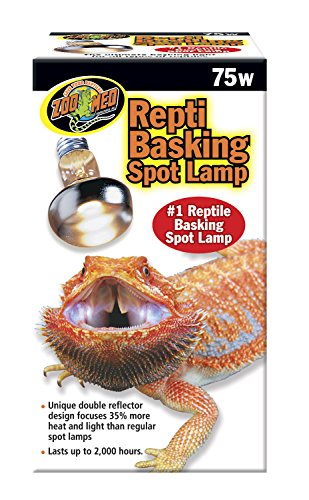
Zoo Med Repti Basking Spot Lamp 75W (2-pack)
The bulb the Mini Deep Dome is built for. A focused spot bulb recesses cleanly into the reflector and throws the tight basking beam the deep shape aims. Run it on a thermostat, check the surface temp, and stay under the dome's wattage rating.

LUCKY HERP 100W Ceramic Heat Emitter (2-pack)
Lightless night heat for the second socket on a mini combo. Honest caveat from these reports: a fat emitter seats tighter in a deep recess than in a wide-base dome, so check clearance first. The ceramic socket is rated for it, but confirm it fits.

Inkbird ITC-308 Digital Thermostat
The regulation that keeps a deep dome from becoming the fixture those fire threads are about. It cuts power at your set temperature so the dome is never driven to maximum heat continuously. On/off rather than dimming, but it keeps the fixture honest.